
Special price
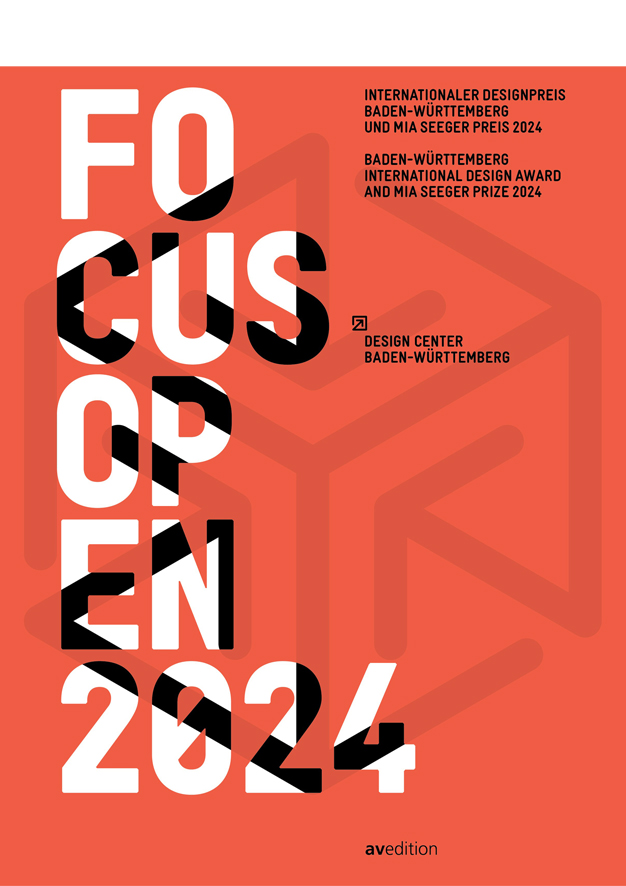
Future-orientated and exceptional design performances are at the centre of the International Design Award Baden-Württemberg FOCUS OPEN 2024, one of the most renowned German design competitions with an international orientation. This yearbook presents all the award-winning products. The winners come from fields including investment goods, healthcare, bathrooms, kitchens, interiors, lifestyle, lighting, consumer electronics, leisure, building technology, public design, communication design, mobility, service design and materials & surfaces.Search inside (PDF)
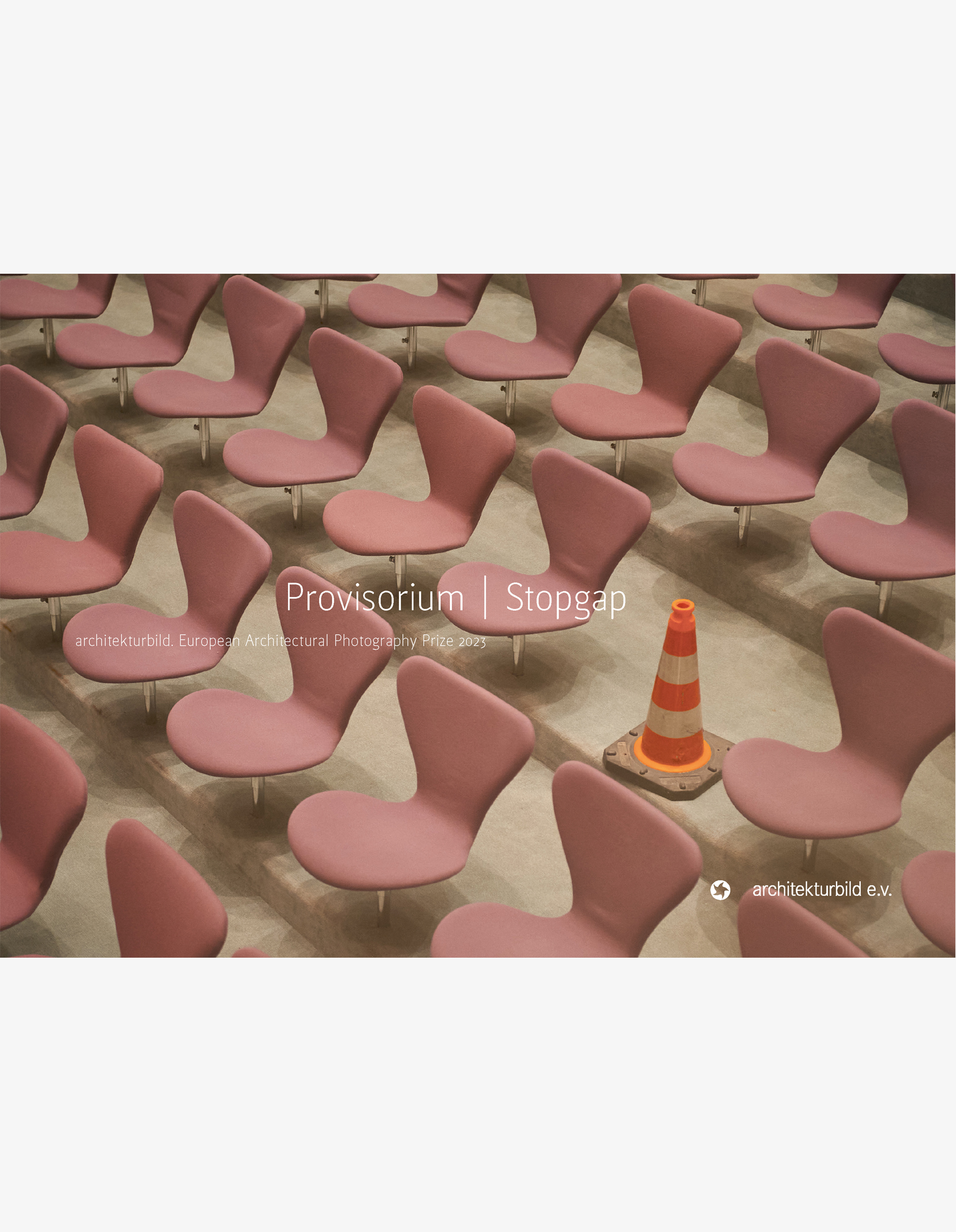
European Architectural Photography Prize 2023Architekturbild, the European Architectural Photography Prize, has been awarded on a two-yearly basis since 1995. Numerous synonyms are offered for the term "stopgap", such as replacement, emergency solution, transitional or interim solution. We all know such expedients from the private environment as well as from public life. The 28 awarded series of EAP 2023 show stopgaps that make us smile tolerantly or thoughtful, they discover imaginative solutions, but they can also point out to shortcomings.Search inside (pdf)
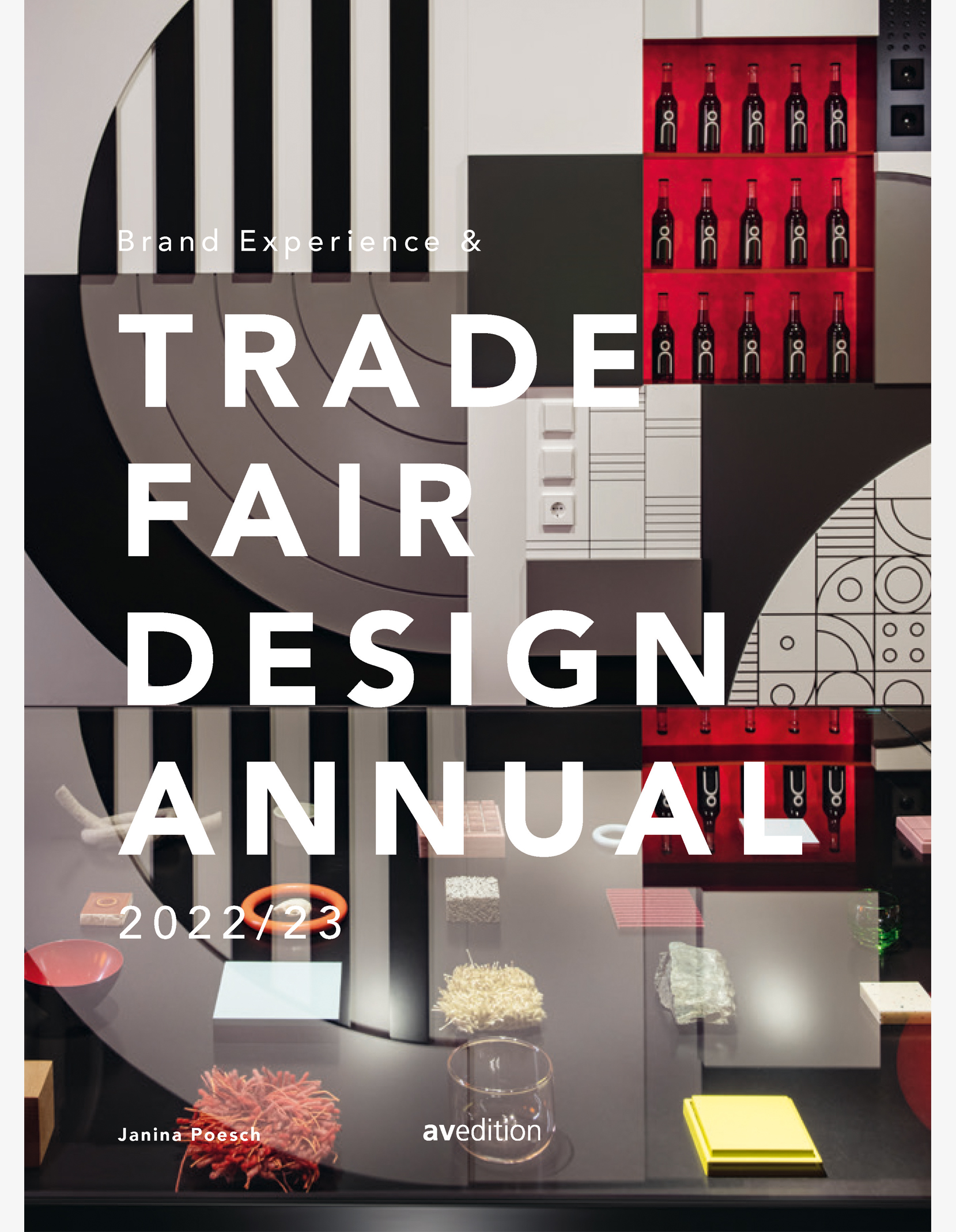
It is definite: The trade fair is not dead, the trade fair is changing! And, going forward, this will not be the last time it has to adjust with agility to new circumstances. Designers will need to analyze the qualities of space again more closely – be it the physical space or the digital space: Space should be staged and designed so as to support communication, facilitate encounter and experience, create an immersive effect and, of course, provide content which adds value. But this also means that communication strategies need to be fixed beforehand, particularly if the focus is on positions and visions rather than products as in the past. It will be about connecting people with brands on many different levels in order to shape the future together. The standard reference work in the trade fair design world.Search inside in ISSUU.com
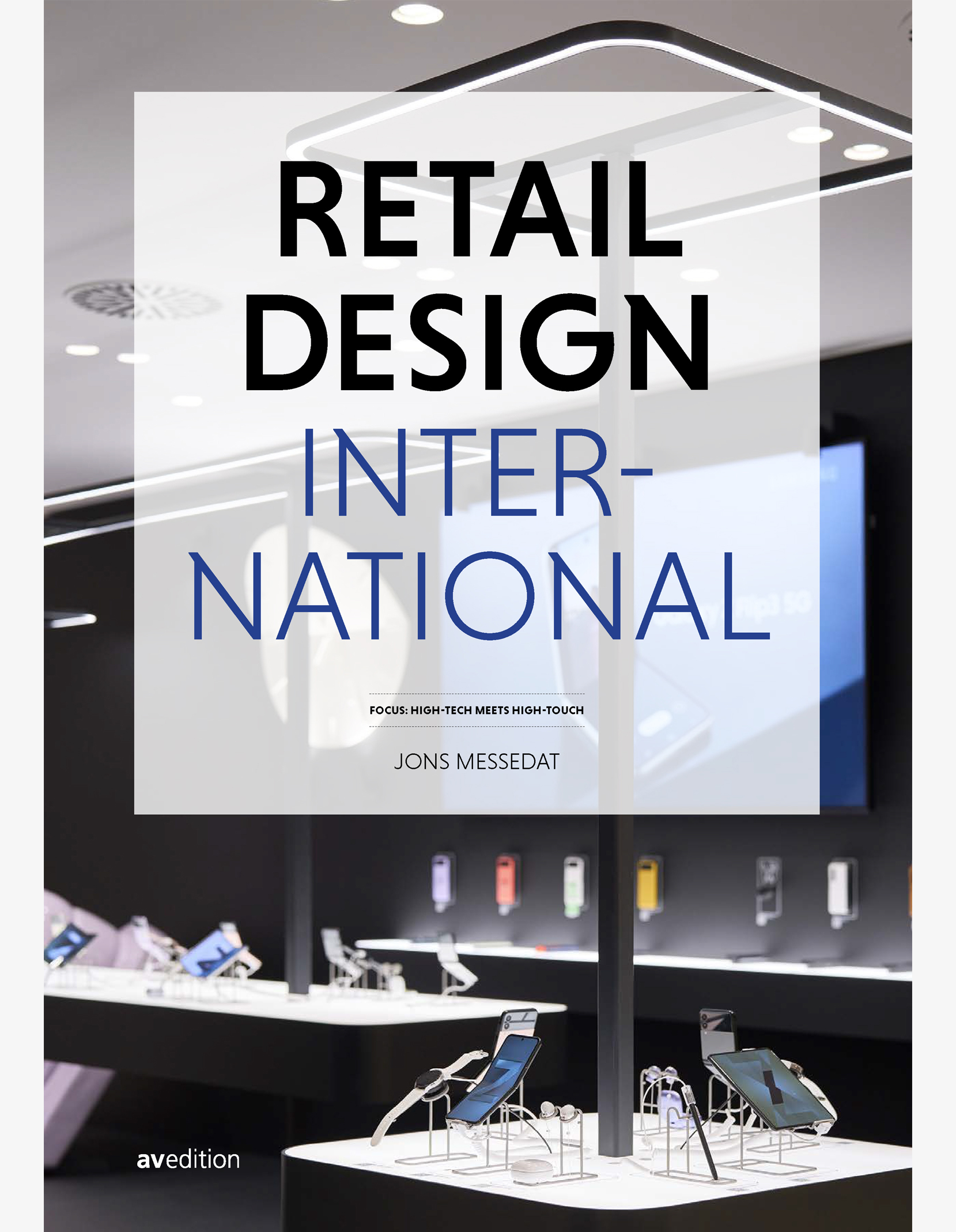
Through the connectivity of different cultures, technologies and living environments, the retail sector is increasingly varied and experimental. At the same time, the uncertainties of the last two years have shown that free international trade between nations and continents is a fragile asset. Retail chains have been severed and the availability of energy and raw materials is limited. Creative stopgaps, as well as analogue and digital elements that appeal to all our senses, give new impulses for urban retailing. On the way to a retail metaverse, high-tech meets high-touch .Dr. Jons Messedat is an architect and industrial designer. After work with Sir Norman Foster in London and in Berlin, he completed his doctorate at the Bauhaus University Weimar on the subject of Corporate Architecture. He teaches the Construction and Space module at HAWK Hildesheim and is a jury member in architecture and design competitions.Search inside on ISSUU.com

The book describes the potential of both design objects and concepts, as well as design as a process, with a specially strong focus on the process of design engineering in the past, present and future. The book makes a stance by referring to historic and current design parameters in industry in relation to certain training methods. It compares these within Europe, explicitly the approach taken by Germany, Great Britain and Scandinavia – and highlights best-practice examples. The range of design disciplines, especially an in-depth look at classic product and textile design, leads to new “blueprint” possibilities and interactive design methods. As industrial designer and master tailor, Marina-Elena Wachs has been a professor for design theory at Hochschule Niederrhein since 2010 and graduated 2007 from Braunschweig University of Art with work on the topic “Material mind – new materials in design, art and architecture”. Since 2008 she has been cooperating with European universities.Search inside (pdf)
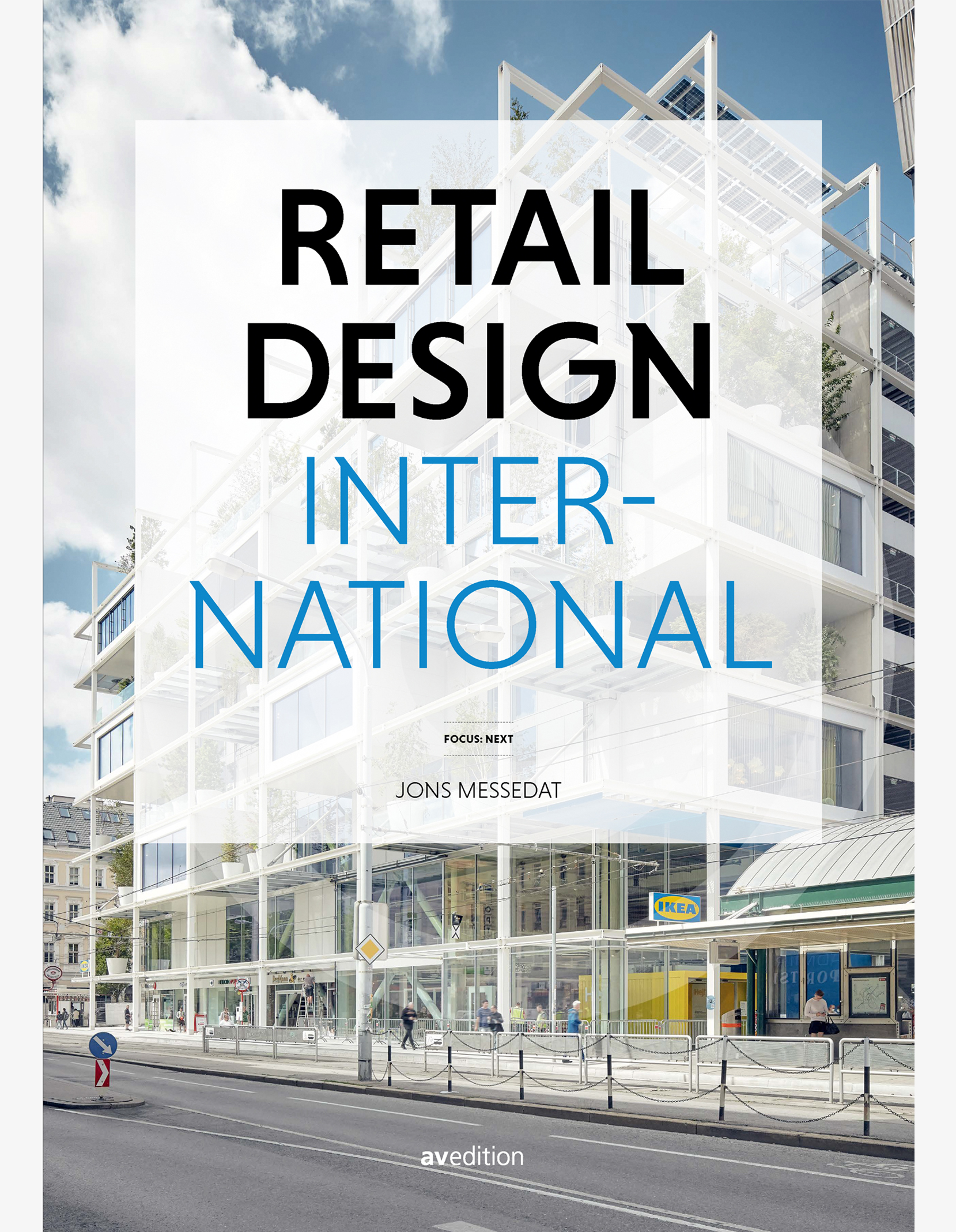
What’s next? The question of whether future retail design will be analogue, digital or hybrid has long since been answered. Especially the mature inner cities are facing enormous innovation pressure. Smart alliances are being formed and daring retail concepts are being tried out that add value in the urban space. The new yearbook shows solutions that accompany us worldwide into the "new normal".Dr. Jons Messedat studied architecture and industrial design in Aachen, Stuttgart and London. He has been teaching the building and space module at the HAWK in Hildesheim with a focus on corporate interior. In 2018, he was appointed onto the jury of the state prize for architecture by the chamber of architects for the federal state of Lower Saxony.Search inside on ISSUU.com

“We need new concepts for trade fairs as places of chance encounters. This might also be showrooms and brand worlds in places where people and ideas converge. What we need are open forums for critical and competent dialogue.” You will find lots of demands like this one expressed by Ranger Design in this special edition: The industry has given us an outlook of the near future and shows what they have achieved in the last few months, where they had to find alternatives, what new concepts evolved and how the trade fair format has changed in recent months (centuries).Sabine Marinescu and Janina Poesch are both architects, journalists and founders of PLOT – the network in the field of spatial staging. Since 2008 they have been publishing their own print and online magazines and reference books about scenography.The standard reference work in the trade fair design world.Search inside on ISSUU.com
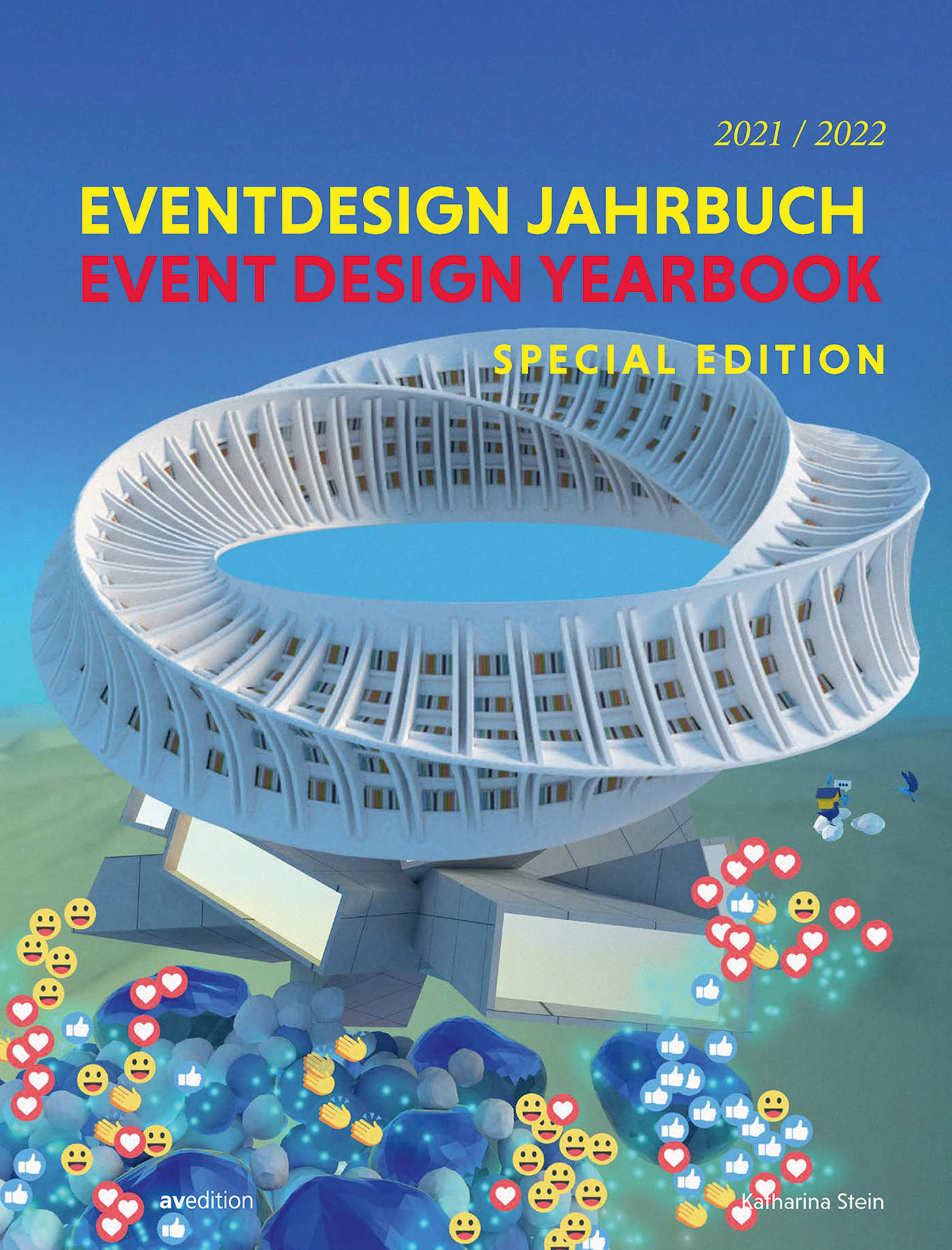
Special EditionFor over a year, the coronavirus has been holding us in its grip. Live events and brand experiences are either not possible at all or only with significant restrictions. The consequences and problems for the industry are enormous. But alongside this, it enabled us to learn a lot, surprise us and fascinate us with new ideas. Digital and hybrid experiences have developed dynamically, initiating new and creative approaches that are to perfected over the forthcoming years.An exceptional year that is summarised with a Special Edition. This edition builds bridges between events before and since the coronavirus, between analogue, hybrid and digital events.Katharina Stein is a specialist journalist and a connoisseur of the event design scene. In 2009 she founded eveosblog together with Henning Stein, one of the best-known and most widely read event blogs in Germany. Search inside on ISSUU.com
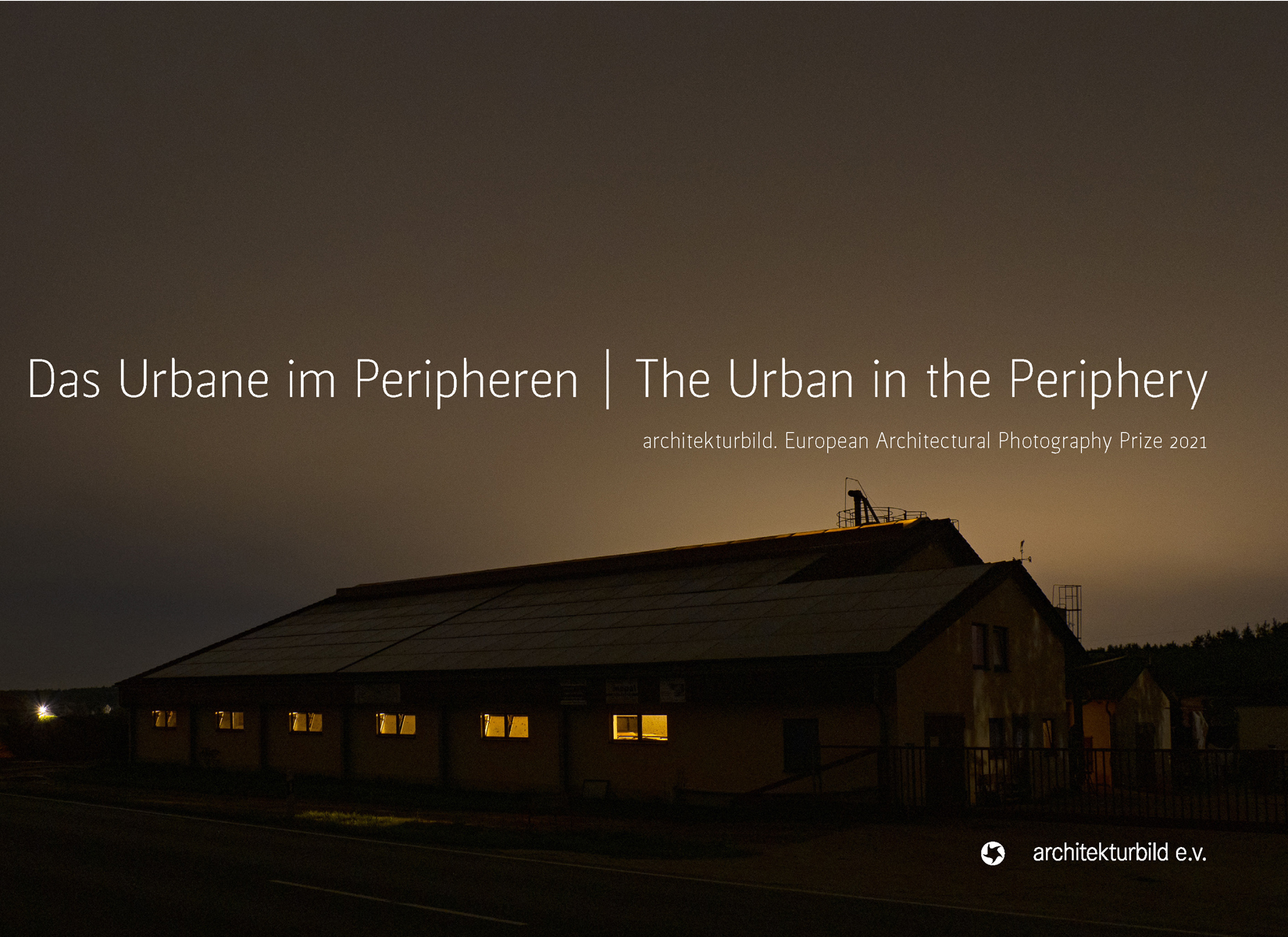
European Architectural Photography Prize 2021architekturbild, the European Architectural Photography Prize, has been awarded on a two-yearly basis since 1995. The theme for 2021 is "The Urban in the Periphery".Migration between conurbations and rural areas, their respective attractiveness and independence, but also dependence and interdependence with one another: What would be more predestined to trace the subtle or even obvious effects of the urban-rural movement than architectural photography?Search inside on ISSUU.com

Plants change working environments, adding a touch of nature and style and improving the indoor climate. Through their form, colour and type of growth, they represent a living design material. Whether it is in an open-plan office, co-working space or employee lounge, their positive effect on people is visible and tangible.This book is targeted towards all those who want to integrate plants into their spatial concepts. With current examples of biophilic design, artistic plant constellations and insights into the design of plant pots, along with background knowledge from exemplary projects and interior architecture with botany.The qualified carpenter and certified product designer Miriam Köpf is specialised in spatial installations. She has worked at various design agencies in Stuttgart and in 2015 founded the botanical design studio Phyllis. Her focus is on the integration of indoor plant installations, especially in working environments. She has coined the term greenterior design and conveys her approach through conceptual plant pop-up shops, constructive cooperations with architects and inspiring workshops for students.#designbooks: Miriam Köpf about her book on YouTube (German only)Search inside on ISSUU.com
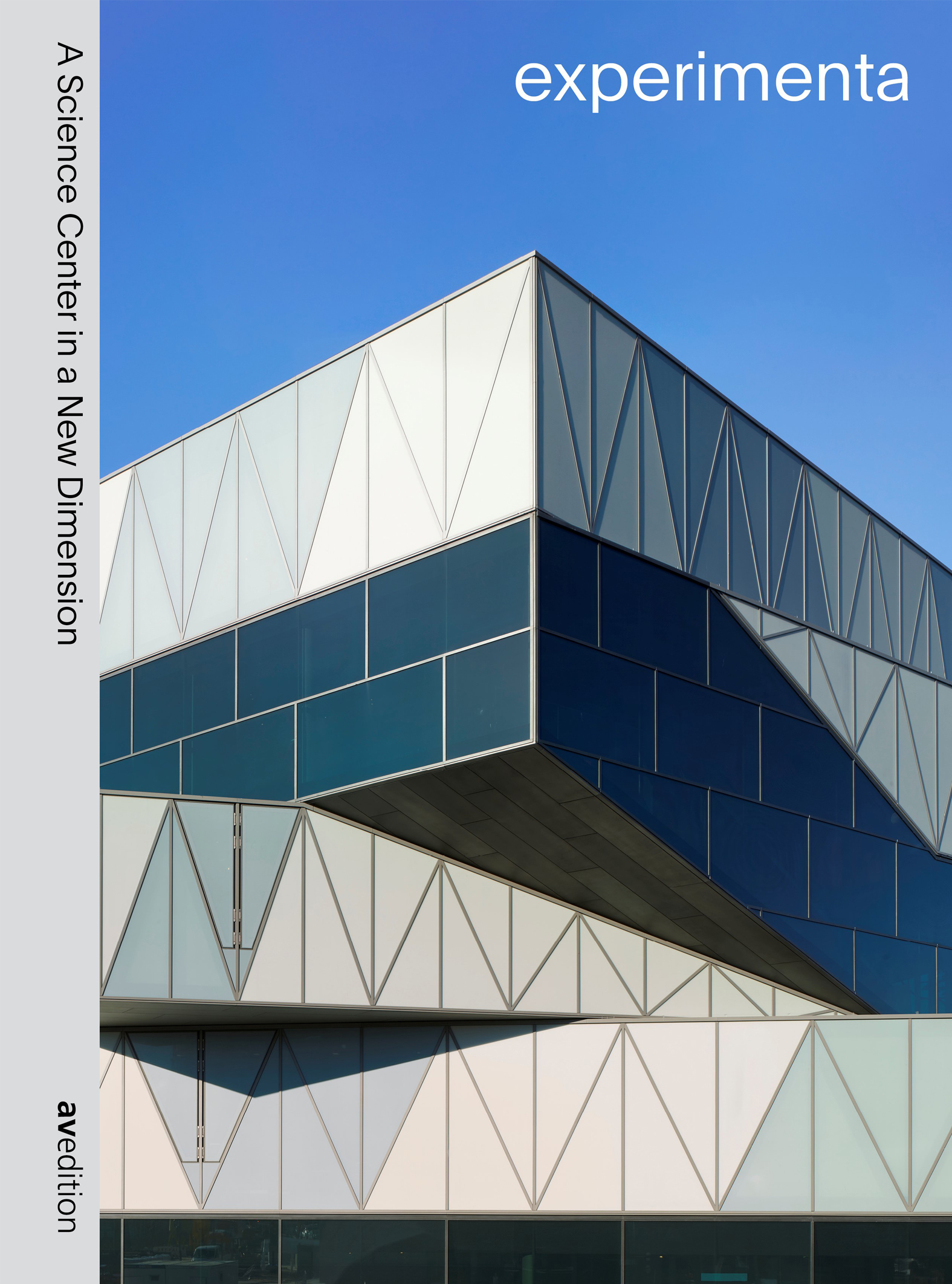
The book explains the development history of experimenta in the context of the educational institutions Science Center, Planetarium and Schülerlabore (Educational Laboratories). In addition, the contentual and methodological-didactic concept is conveyed clearly. The volume is rounded off with further information about the architectural design concepts of the two experimenta buildings: the repurposed historical Hagenbucher warehouse and the spectacular glass and steel new building by Sauerbruch Hutton.Wolfgang Hansch, Dr. rer. nat. habil., studied geology, was responsible from 2005 for the concept and structure of experimenta that opened in 2009 in Heilbronn, and has been its Managing Director since 2007. He is the author and editor of numerous publications about earth history and cultural history topics. He has a seat on various educational committees and chairmanship of the Regional Association for Natural Science-Technical Youth Education in Baden-Württemberg.Search inside on ISSUU.com
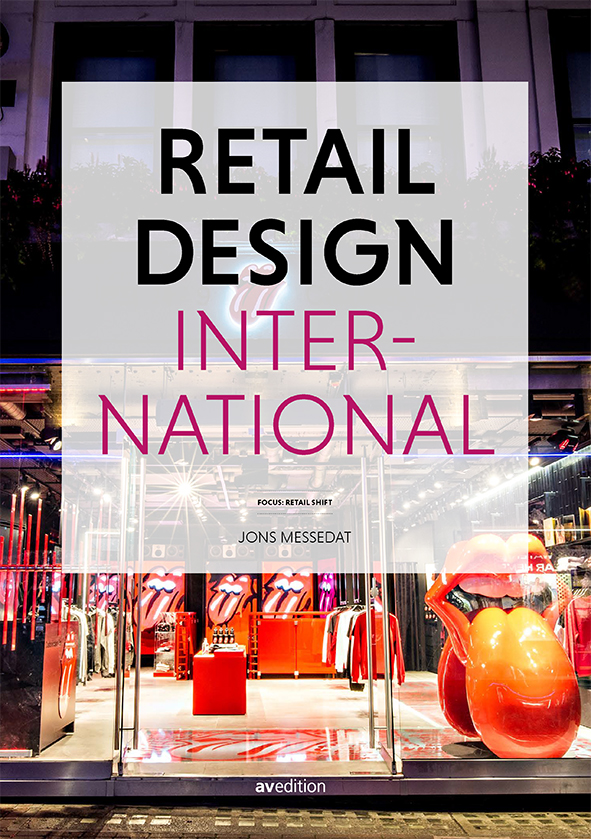
The processes of change throughout the retail sector have rapidly gained dynamism through the COVID-19 pandemic. In an unprecedented situation, social distancing has fuelled the integration of digital shopping functions and at the same time the yearning for real places of encounter. "Retail Design International" addresses these shifts and presents over 40 brave concepts that drive the retail shift forwards.The editor Dr. Jons Messedat is an architect, designer and author. His expertise in the building of corporate identity is in demand among global companies, as a jury member in architecture and design competitions, as well as at universities in Germany, Switzerland and the USA.Search inside on ISSUU.com
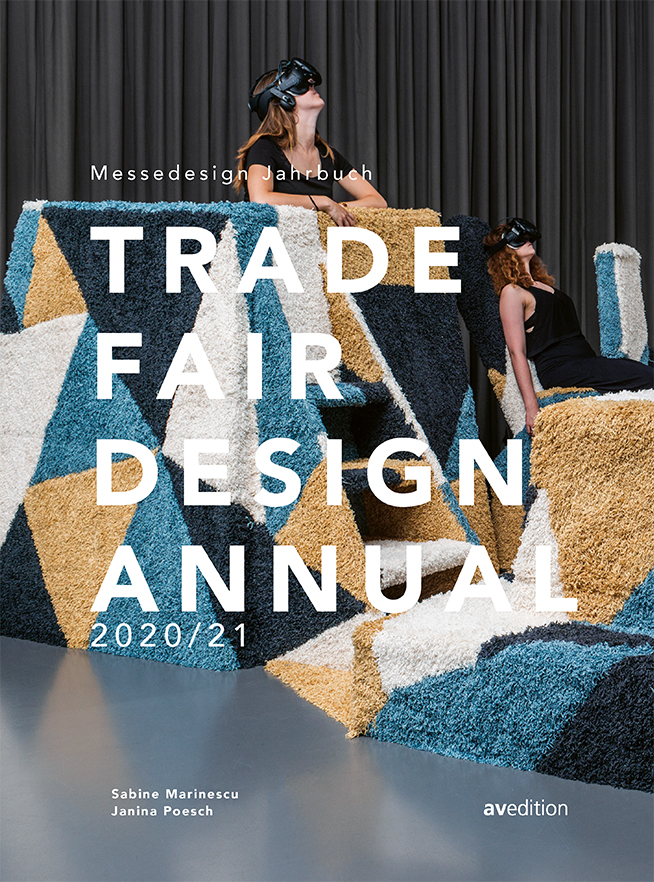
Until spring 2020 the trade fair sector was still boasting: “You can’t email a handshake!” Then corona came along and everything was turned upside down: exhibitions were postponed, cancelled or relocated into digital space. It also brought forth new concepts with which we had not reckoned a couple of years ago: virtual twins, AR or VR walk-through stands, online exhibitions with new meeting formats, or quite different ideas that are currently turning the sector upside down, providing new impetuses and making the trade fair a place as we have never known it before. The new Trade Fair Design Annual presents not only the most exciting exhibition settings of the previous year but also entices us into virtual space. Sabine Marinescu and Janina Poesch are both architects, journalists and founders of PLOT – the network in the area of spatial installations. Since 2008 they have been publishing print and online magazines as well as reference books in the wide field of scenography.#designbooks: Book introduction with Sabine Marinescu and Janina Poesch on YouTube (German only)#designbooks: Interview with the editors on YouTube (German only)Search inside on ISSUU.com
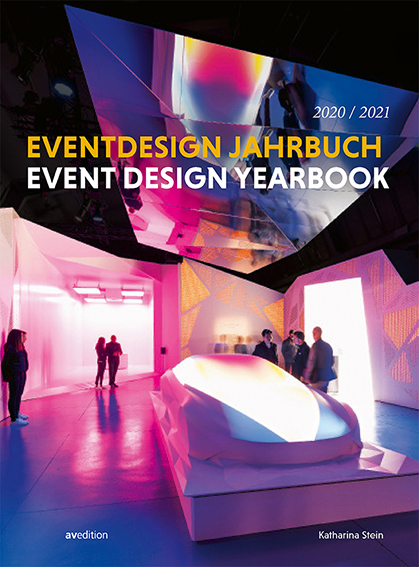
The world is changing. A host of developments are impacting our lives: sustainability, values, equality, purpose, digitisation or "Gen Z". However, a consideration of the majority of brand experiences gives rise to the question: Where is the change? It occurred: with COVID-19! And suddenly it was about people’s lives, about our supply system and saving our and many other sectors. This is therefore a special Event Design Yearbook. It allows us to revel in projects that have been prohibited for months in 2020. It also shows experience concepts from the time before COVID-19. With all the foreseen changes after the pandemic, as described for example by Cedric Ebener in the interview, one can only speculate how the concepts presented here might look in future.#designbooks: Author Katharina Stein about the book series on YouTube (German only)Search inside on ISSUU.com
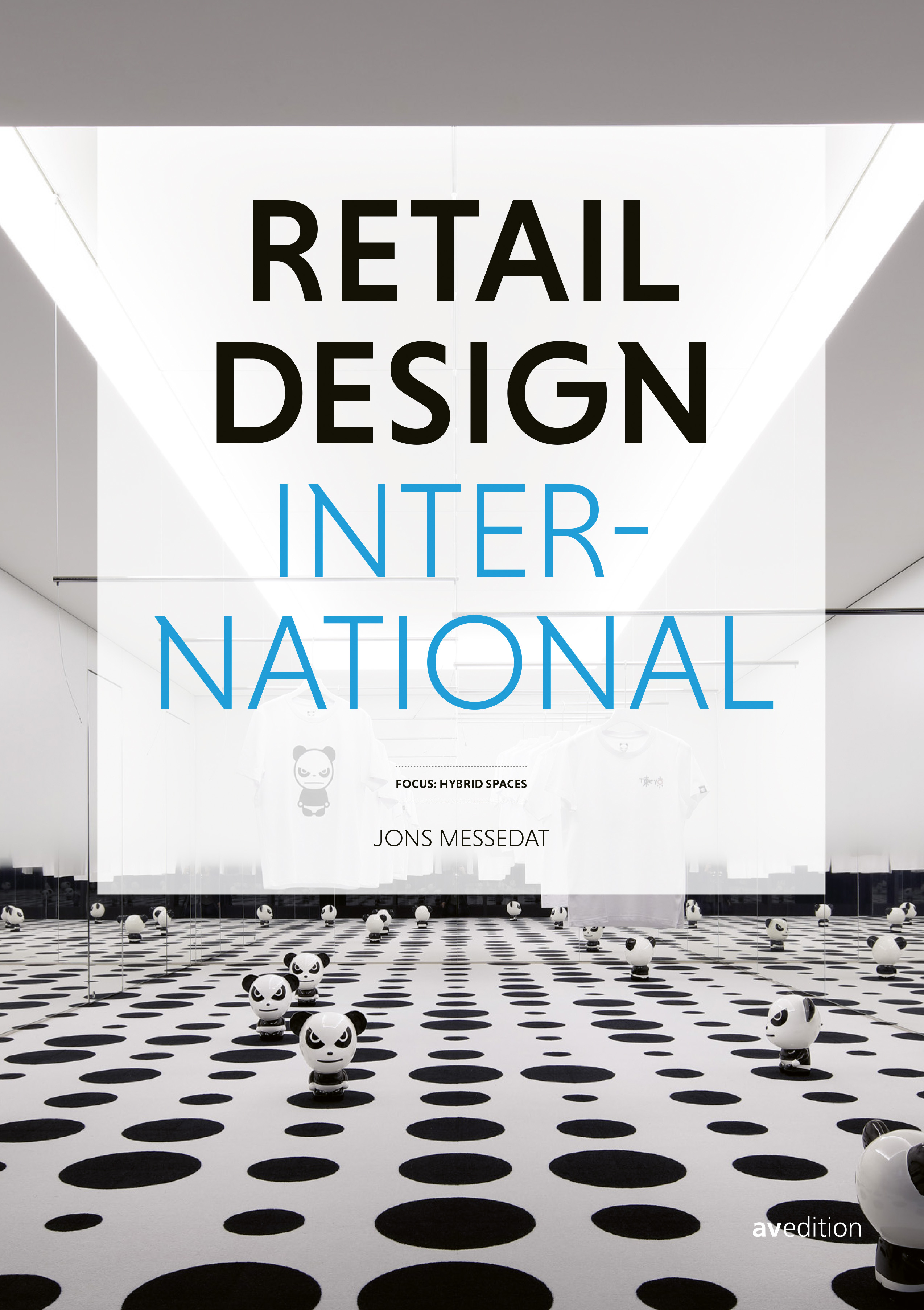
Hybrid systems not only revolutionise our mobility but also provide a fresh breath of air in retailing with the layering of various functions. Large-format building structures such as department stores and shopping centres are revitalised in line with climate optimisation and supplemented with small-scale mixed uses. Shared spaces for young start-ups and established brands offer greater variety and the opportunity to liven up too extensive spaces with new experiences and inspirations. Retail sharing has developed into an effective recipe against decreasing frequenting. The fifth edition of “Retail Design International” pursues the phenomenon of hybrid spaces between new work, leisure and retail worlds. It presents collaborative concepts from the European, Asian and Pacific regions that reveal opportunities for the transformation from a point of sale to a point of experience. The editor Dr. Jons Messedat is an architect, industrial designer and author. His expertise regarding the built identity of companies and brands – from design to management and realisation – is in demand among global companies, as a jury member in architecture and design competitions, as well as at universities in Germany, Switzerland and the USA.Search inside on ISSUU.com
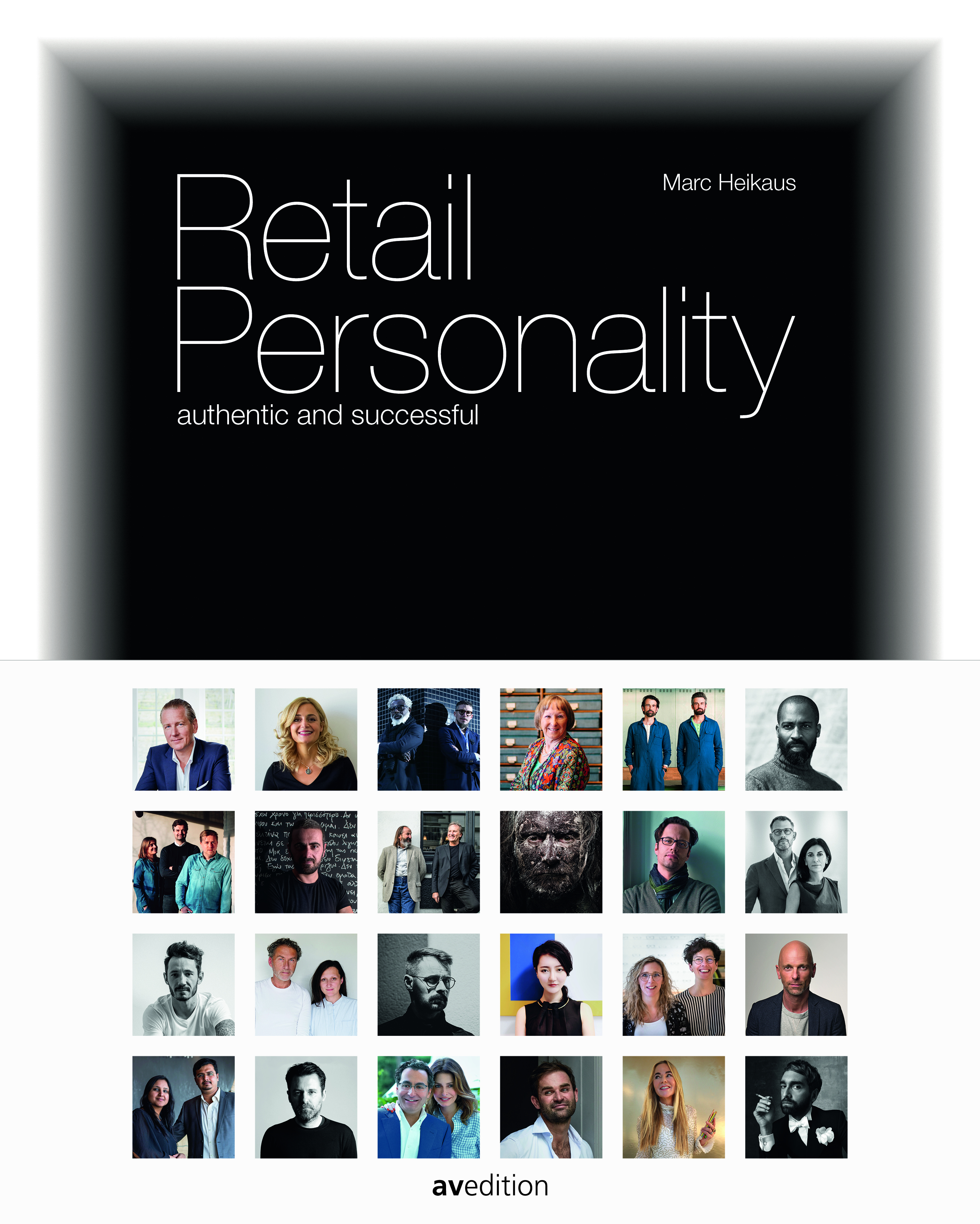
What do the Parisian chocolatier and sculptor Patrick Roger, the makers of the trendy Oslo fashion label Norwegian Rain, T-Michael and Alexander Helle have in common with the Stuttgart optician Andreas Kraft? They all believe in the magic and allure of well-designed shops. And that is not all – as entrepreneurs, they must make their shops the ambassadors of their brand, philosophy and products.The book is an exploratory tour of offbeat retail hotspots worldwide. The focus is on interesting personalities who make a relevant contribution to the topic of shop design and product presentation.Marc Heikaus is the owner of Heikaus Group, a Swabian family enterprise with around 50 employees, is active throughout Europe as a general contractor and supplier for turnkey ready shop design, combining design and innovation of the highest quality.Search inside on ISSUU.com
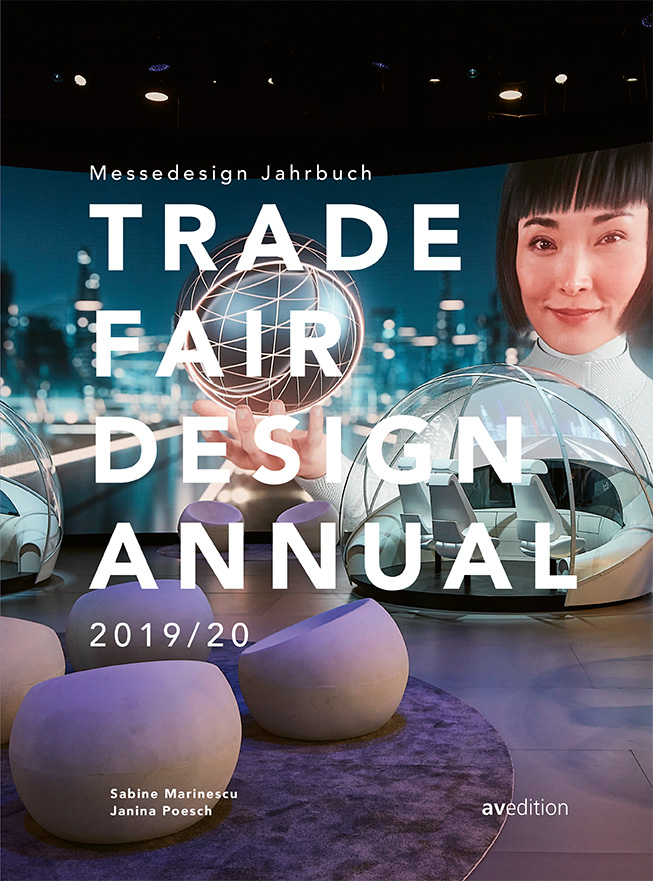
So-called instagrammability has long become part of our communication policy – has the design of trade fair stands also changed as a consequence? Is the presentation's focus no longer the product but rather the potential customer and their interaction? How important are live experiences in order to draw the full attention of visitors? What effect does this have on the communication strategy and on the spatial design? These are questions pursued by the new Trade Fair Design Annual with 60 exceptional examples. Sabine Marinescu and Janina Poesch are both architects, journalists and founders of PLOT – the network in the field of spatial staging. Since 2008 they have been publishing their own print and online magazines and reference books about scenography. The standard reference work in the trade fair design world. Search inside on ISSUU.com
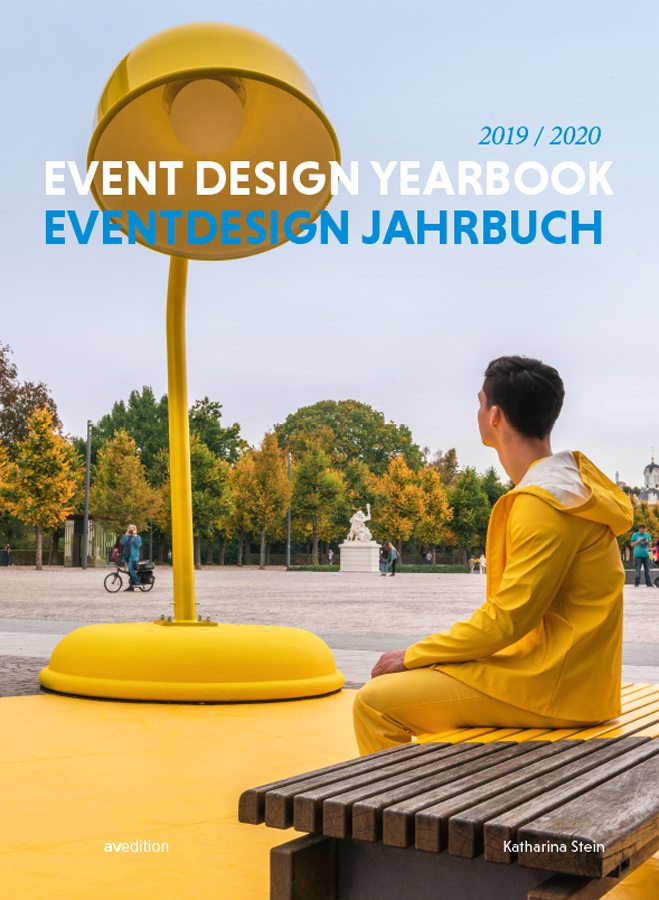
The current credo of live communication is: Let them participate and decide! It seems that the times in which products were displayed in rigid procedures and self-celebratory event formats are over. Now the question is what will enthuse visitors, how can they be incorporated and not least encouraged to make social media posts. A noticeable number of event formats in this edition indeed involve their participants to a great extent. This is evident in concepts orientated towards added value and experiences, as well as in possibilities for interaction and individual freedom of choice. However, what sounds straightforward is a challenge. How does one overcome inhibitions? What enthuses spoilt visitors hungry for experiences? How does one create experiences suitable for social media? Many of the around 60 events in this edition show potential solutions in practice. An in-depth interview provides answers and advice from specialists. Best cases of instagramable events and locations. 60 events in Germany, Belgium, China, South Korea, Switzerland, Austria, Russia, USA, Italy, Portugal, Denmark, Spain, Qatar ...Search inside on ISSUU.com
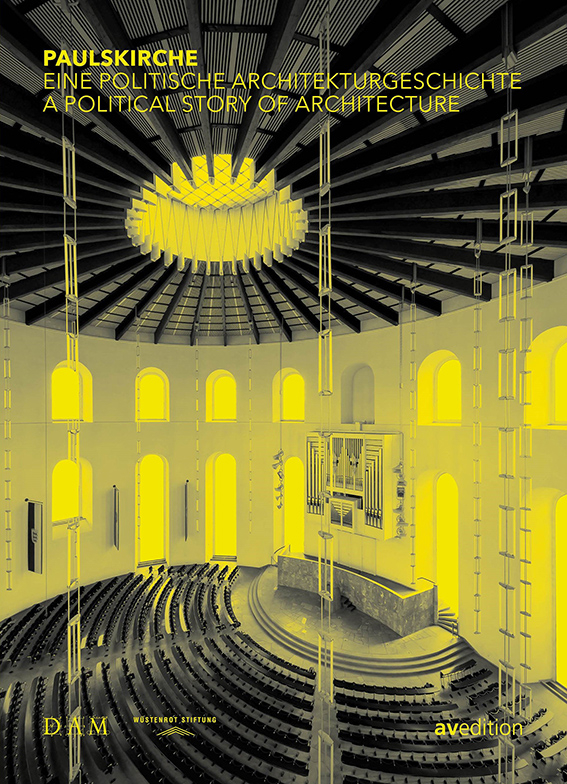
On the occasion of the forthcoming renovation of the Paulskirche in Frankfurt am Main, the book recounts the history of its construction, reconstruction and renovation in accordance with the respective social currents. In addition, the role of the Paulskirche as a seat of the nationwide debate culture is traced, which it has held since the postwar period in its function as a festival hall. The editors: Maximilian Liesner, urbanist, and Philipp Sturm, political scientist, are working as freelance curators and authors at the German Architecture Museum (DAM) in Frankfurt/Main; Peter Cachola Schmal, architect, is the director of the DAM.Search inside on ISSUU.com
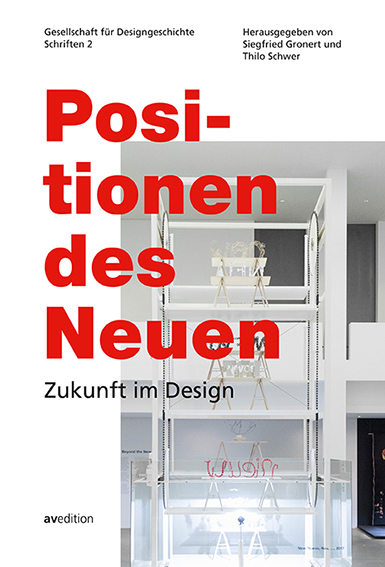
Die Zeit des Designs ist das Neue. In den Anfängen haben immer wieder erneuerte Positionen das Design und seine Geschichte geprägt. Die dabei formulierten, wechselnden Positionen werfen zwangsläufig die Frage nach der Qualität und dem Sinn des Neuen auf. Darum vermessen die Beiträge Grenzstellungen des Neuen vor der jeweils als vergangen diskreditierten Gegenwart. Gleichzeitig beleuchten sie die Bedingungen seiner Entstehung. Die Herausgeber: Prof. Dr. Siegfried Gronert ist Vorsitzender der Gesellschaft für Designgeschichte (GfDg) und Honorarprofessor an Universitäten in China. Von 1993 bis 2011 lehrte er Geschichte und Theorie des Designs an der Bauhaus-Universität Weimar. Dr. Thilo Schwer ist Produktgestalter und Designwissenschaftler. Seit 2011 lehrt er Designtheorie, Designmethodologie und Theorien der Produktsprache an der HfG Offenbach. Überblick zu Designpositionen des Neuen in Vergangenheit, Gegenwart und Zukunft. Mit 16 Fachbeiträgen. Thilo Schwer auf YouTube

architekturbild, the European Architectural Photography Prize, has been awarded on a two-yearly basis since 1995. Since 2003, the prize has been awarded by architekturbild e.V., a non-profit organisation and since 2008 in cooperation with the Deutsches Architekturmuseum, Frankfurt, and since 2016 with the Bundesstiftung Baukultur, Potsdam/Berlin. The theme for 2019 is "Joyful Architecture". We rarely think of architecture as comforting, fun and playful. The book therefore presents examples of architecture that playfully and positively impact the built environment and its inhabitants. These examples can be understated or clichéd, autonomous or in dialogue with their surroundings, hidden or obvious. High quality catalogue on the international trevelling exhibition, starting in the German Architecture Museum (DAM) on May 3rd 2019.Search inside on ISSUU.com
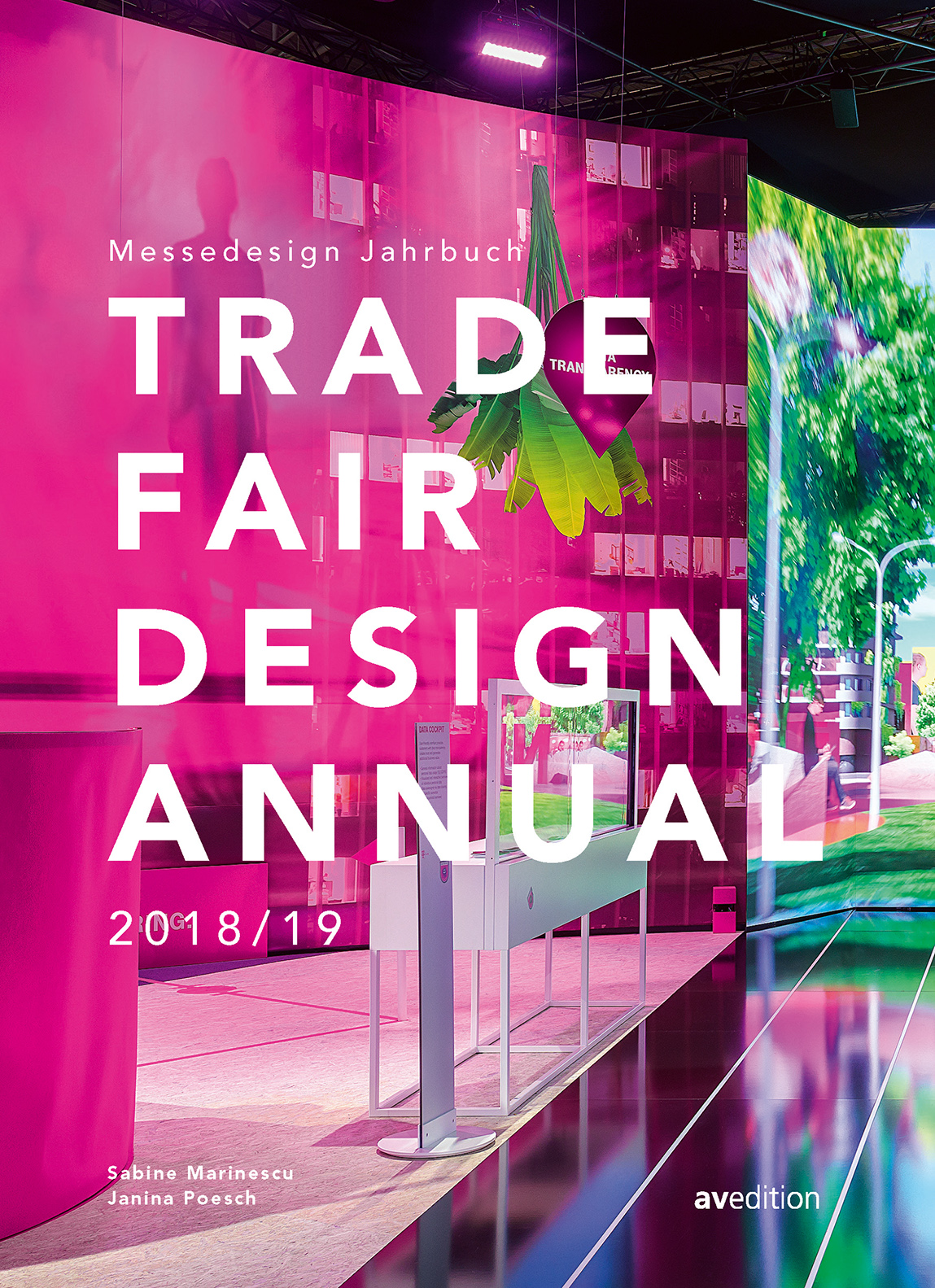
The standard reference work in the trade fair design world Change and transformation are currently characteristic not only of our society and our socio-cultural structures, but also of our economic structures and therefore the exhibition industry: traditional approaches to brand communication no longer appear to take full effect, although the core of the longstanding trade fair business perhaps holds the key to the future of the traditional platform: in real encounters and individual exchanges.In accordance with this, over the forthcoming years it will increasingly be about shaping this discussion, creating spaces for it, enabling especially personal contacts amidst a communication guided by bots, thereby shaping change. Of course, this edition of the Trade Fair Design Yearbook is not oblivious to this either: since October 2018, the publication has been issued in a new, even higher quality design, extending increasingly into digital as well as real space.Search inside on ISSUU.com
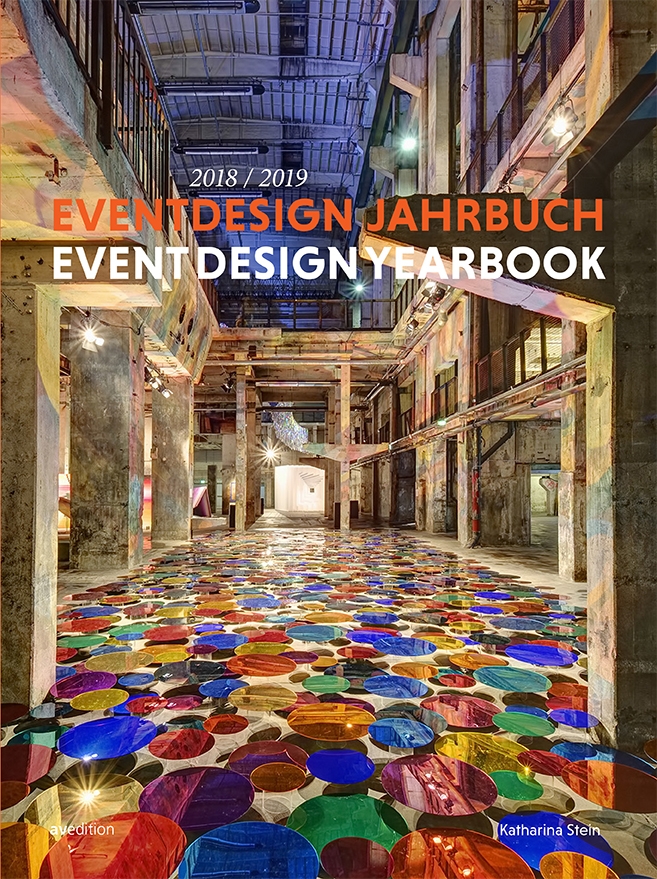
The best events, the latest trendsThe current edition of the Event Design Yearbook presents the best and most interesting events of the last year informatively, with a wealth of pictures.What is new, however, is the author: with the Yearbook 2018 / 2019, Katharina Stein – specialist journalist, scene insider and founder of eveosblog for event marketing – is looking for small and large, private and public, cultural and corporate, exceptional and fascinating events, which all distinguish themselves through the idea behind it and its realisation.Search inside on ISSUU.com
Theorie, Geschichte, Lehre Wie kaum eine andere kreative Praxis ist Design mit Alltag, Politik und Wirtschaft einer Gesellschaft verbunden. Technologischer Wandel, soziale Umwälzungen und globale Krisen fordern die gestalterische Profession zu Neubestimmungen heraus. „Designkritik“ reflektiert das Spannungsfeld einer erweiterten Designpraxis innerhalb einer komplexen Medienlandschaft. Vor dem Hintergrund ökonomischer und politischer Umbrüche werden neue Ansätze zur Designkritik diskutiert, andererseits historische Bezüge im Kontext von Design, Medien und Gesellschaft untersucht. Es stellt sich die Frage, in welchem Maße Designjournalismus und Designkritik diesen veränderten, erweiterten, manchmal auch widersprüchlichen Designbegriff reflektieren und vermitteln können. Die Beiträge des Bandes beleuchten das unübersichtliche Terrain aus verschiedenen Perspektiven. Zu den Herausgebern: Prof. Dr. Siegfried Gronert ist Vorsitzender der Gesellschaft für Designgeschichte (GfDg) und Honorarprofessor an Universitäten in China. Von 1993 bis 2011 lehrte er Geschichte und Theorie des Design an der Bauhaus-Universität Weimar. Dr. Thilo Schwer ist Produktgestalter und Designwissenschaftler. Seit 2011 lehrt er Designtheorie, Designmethodologie und Theorien der Produktsprache.