
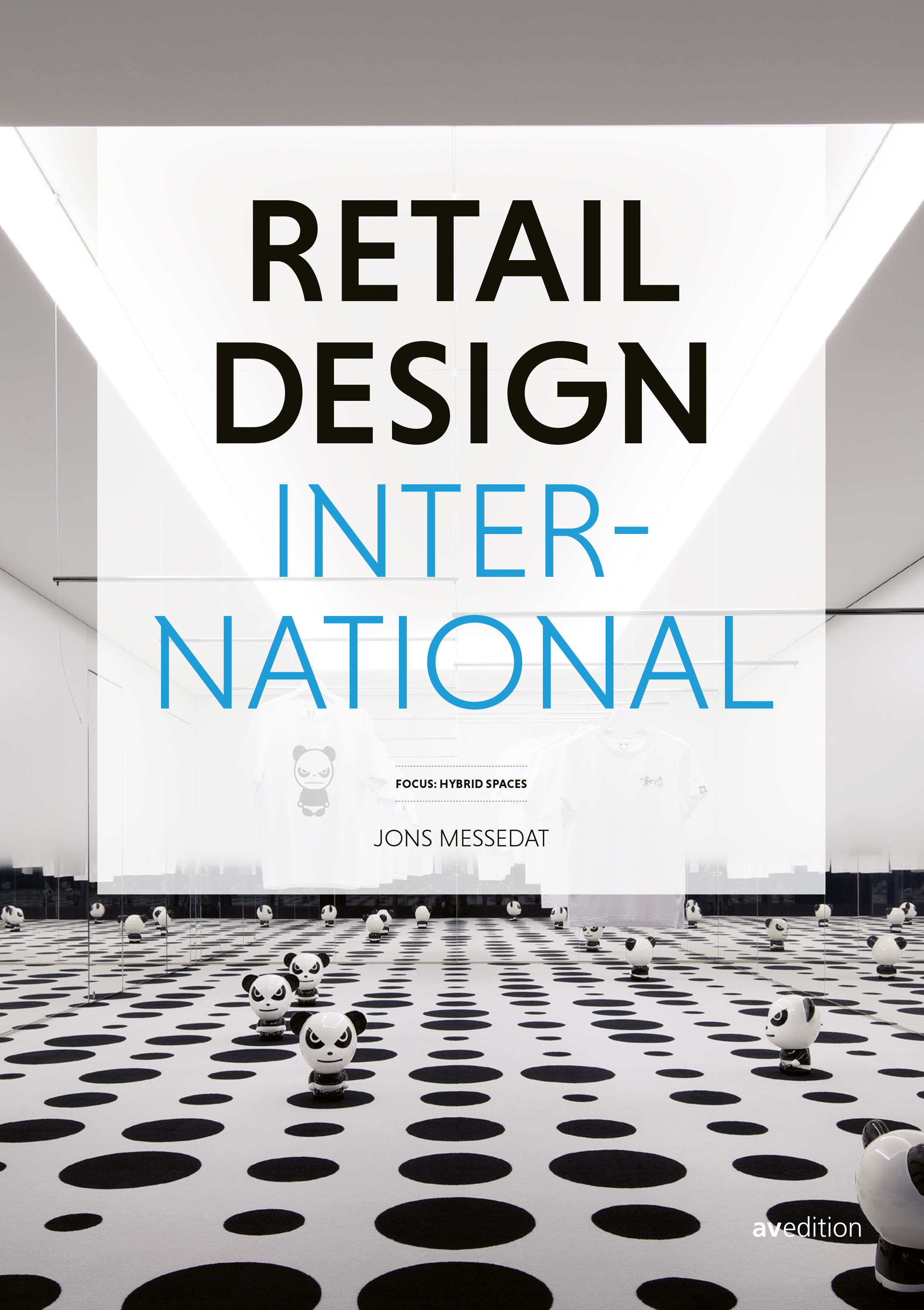
Hybrid systems not only revolutionise our mobility but also provide a fresh breath of air in retailing with the layering of various functions. Large-format building structures such as department stores and shopping centres are revitalised in line with climate optimisation and supplemented with small-scale mixed uses. Shared spaces for young start-ups and established brands offer greater variety and the opportunity to liven up too extensive spaces with new experiences and inspirations. Retail sharing has developed into an effective recipe against decreasing frequenting. The fifth edition of “Retail Design International” pursues the phenomenon of hybrid spaces between new work, leisure and retail worlds. It presents collaborative concepts from the European, Asian and Pacific regions that reveal opportunities for the transformation from a point of sale to a point of experience. The editor Dr. Jons Messedat is an architect, industrial designer and author. His expertise regarding the built identity of companies and brands – from design to management and realisation – is in demand among global companies, as a jury member in architecture and design competitions, as well as at universities in Germany, Switzerland and the USA.Search inside on ISSUU.com
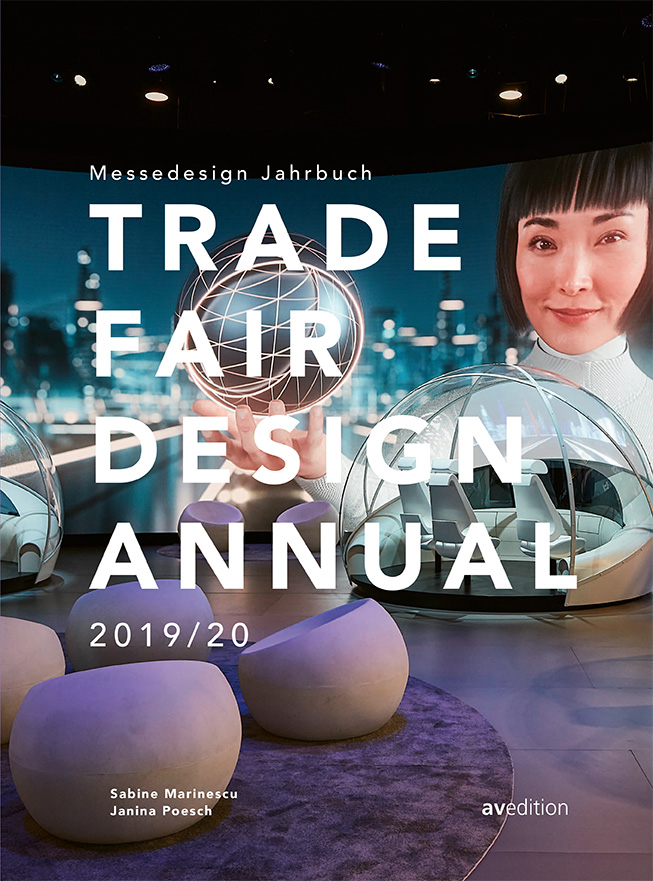
So-called instagrammability has long become part of our communication policy – has the design of trade fair stands also changed as a consequence? Is the presentation's focus no longer the product but rather the potential customer and their interaction? How important are live experiences in order to draw the full attention of visitors? What effect does this have on the communication strategy and on the spatial design? These are questions pursued by the new Trade Fair Design Annual with 60 exceptional examples. Sabine Marinescu and Janina Poesch are both architects, journalists and founders of PLOT – the network in the field of spatial staging. Since 2008 they have been publishing their own print and online magazines and reference books about scenography. The standard reference work in the trade fair design world. Search inside on ISSUU.com
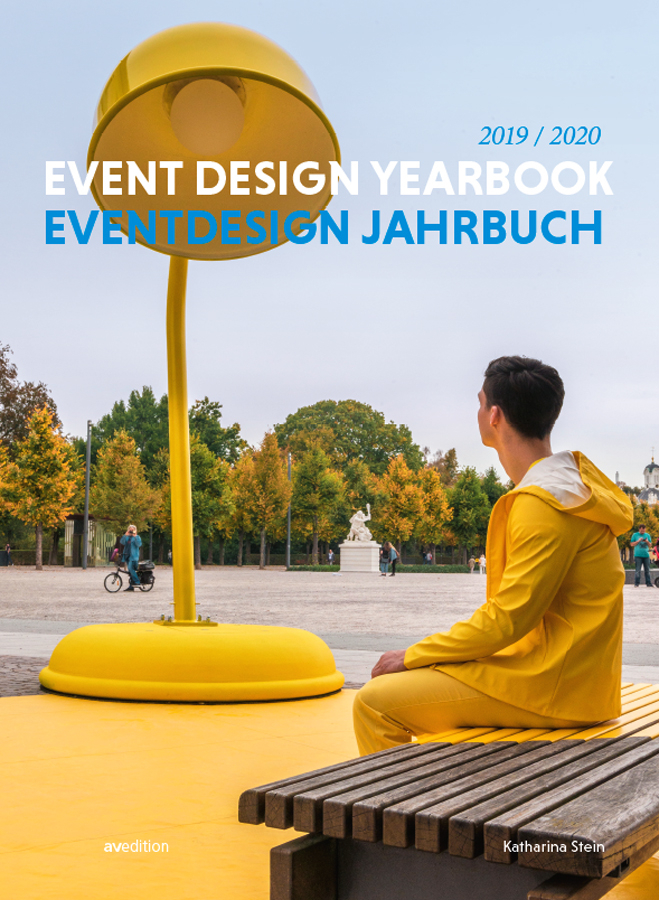
The current credo of live communication is: Let them participate and decide! It seems that the times in which products were displayed in rigid procedures and self-celebratory event formats are over. Now the question is what will enthuse visitors, how can they be incorporated and not least encouraged to make social media posts. A noticeable number of event formats in this edition indeed involve their participants to a great extent. This is evident in concepts orientated towards added value and experiences, as well as in possibilities for interaction and individual freedom of choice. However, what sounds straightforward is a challenge. How does one overcome inhibitions? What enthuses spoilt visitors hungry for experiences? How does one create experiences suitable for social media? Many of the around 60 events in this edition show potential solutions in practice. An in-depth interview provides answers and advice from specialists. Best cases of instagramable events and locations. 60 events in Germany, Belgium, China, South Korea, Switzerland, Austria, Russia, USA, Italy, Portugal, Denmark, Spain, Qatar ...Search inside on ISSUU.com
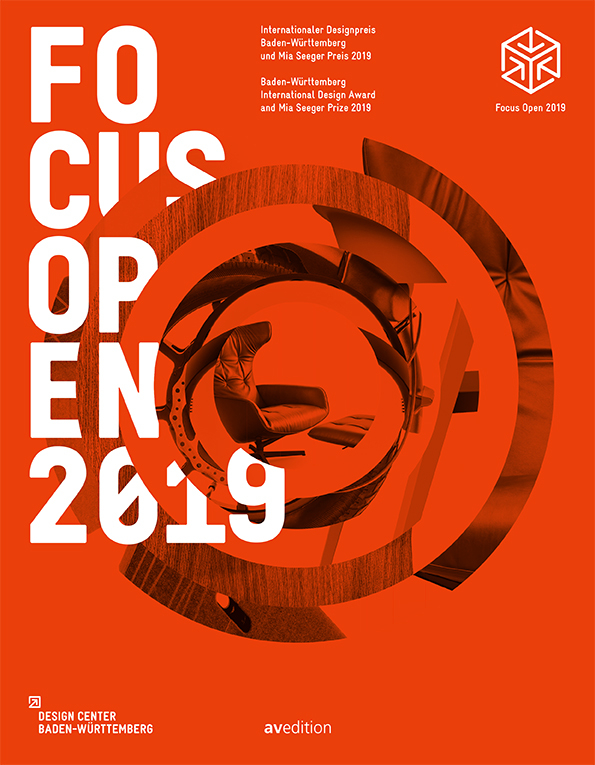
Pioneering and exceptional design trends are at the heart of FOCUS OPEN, one of the most renowned German design competitions with an international orientation. For many years, this competition by Design Center Baden-Wuerttemberg has been an exclusive platform for companies and professional designers and with its non-pro character also offers small and medium-sized companies the opportunity to compare themselves internationally. The publication presents all award-winning products.Besides other areas, the award winners come from fields like capital goods, medicine, bathrooms, kitchens, interiors, ambience, lighting, electronics, leisure, building technology, public design, mobility and service design.Also published are the results of the "Mia Seeger Preis". This prize honours up-and-coming designers who have developed products "that have more than one benefit".Search inside on ISSUU.com
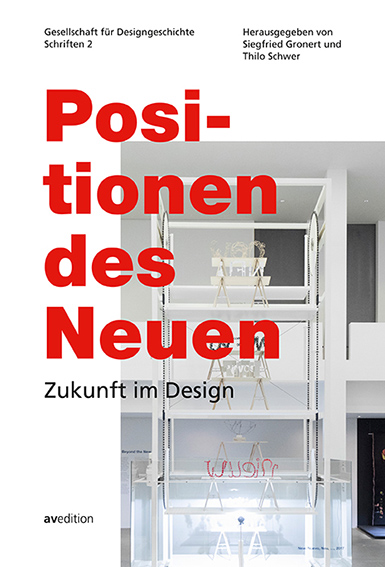
Die Zeit des Designs ist das Neue. In den Anfängen haben immer wieder erneuerte Positionen das Design und seine Geschichte geprägt. Die dabei formulierten, wechselnden Positionen werfen zwangsläufig die Frage nach der Qualität und dem Sinn des Neuen auf. Darum vermessen die Beiträge Grenzstellungen des Neuen vor der jeweils als vergangen diskreditierten Gegenwart. Gleichzeitig beleuchten sie die Bedingungen seiner Entstehung. Die Herausgeber: Prof. Dr. Siegfried Gronert ist Vorsitzender der Gesellschaft für Designgeschichte (GfDg) und Honorarprofessor an Universitäten in China. Von 1993 bis 2011 lehrte er Geschichte und Theorie des Designs an der Bauhaus-Universität Weimar. Dr. Thilo Schwer ist Produktgestalter und Designwissenschaftler. Seit 2011 lehrt er Designtheorie, Designmethodologie und Theorien der Produktsprache an der HfG Offenbach. Überblick zu Designpositionen des Neuen in Vergangenheit, Gegenwart und Zukunft. Mit 16 Fachbeiträgen. Thilo Schwer auf YouTube
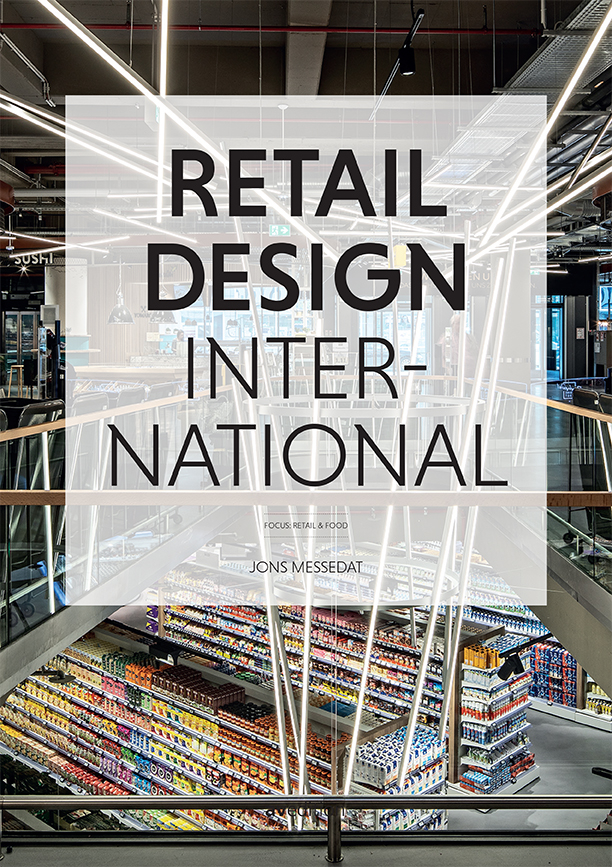
Just a few years ago customers at the point of sale would have been turned away politely but firmly if they had brought their coffee to go or even something edible with them. Now the situation has completely changed: a variety of forms of gastronomy have established themselves as communicative gathering places and enjoyable anchor points in retail design. From the gourmet restaurant in the supermarket to the cooking school in the shopping centre, or the food experience with a bar and hotel in the metropolis: Retail Design International with a focus on retail & food provides a first overview of worldwide ideas and projects at the interface of retail and food worlds. Around 60 worldwide projects invite one to embark on architectural, scenographical and culinary excursions that literally spur an "appetite" to find out more about brands, products and spaces, as well as the interdisciplinary "makers" behind them. Editor Dr. Jons Messedat is an architect, designer and author. His expertise in the field of built corporate identity is in demand from global operations, as a panel member in architecture and design competitions, as well as at universities in Germany, Switzerland and the USA.This book is no longer available.
Designer und Gestalter erhalten in diesem Band Einblicke in die wichtigsten Phasen der Entwicklung des Informationsbegriffs. Der Band stellt die Wegbereiter der ersten informationsverarbeitenden Systeme vor, die die ungeheuren Möglichkeiten der heutigen Informationsgesellschaft mit entwickelt haben. Das Buch gibt Überblick über die Rolle, die der Informationsbegriff in Wissenschaften wie Kybernetik, Lebenswissenschaften, Systemtheorie und der Forschung an Künstlicher Intelligenz spielt. Es beleuchtet die Brücken- und Scharnierfunktionen, die der Informationsbegriff an der Schnittstelle von Mensch und Maschine übernimmt. Zentrale Fragen der Verknüpfung von Information, Daten, Wissen und Lernen werden reflektiert und ethische Herausforderungen behandelt. Dr. phil. Christian Bauer ist wissenschaftlicher Mitarbeiter an der Fakultät Gestaltung der Hochschule für Angewandte Wissenschaften Würzburg-Schweinfurt. Seine Lehrgebiete sind Informations-, Kommunikations- und Medientheorie sowie Kulturphilosophie und Ethik.
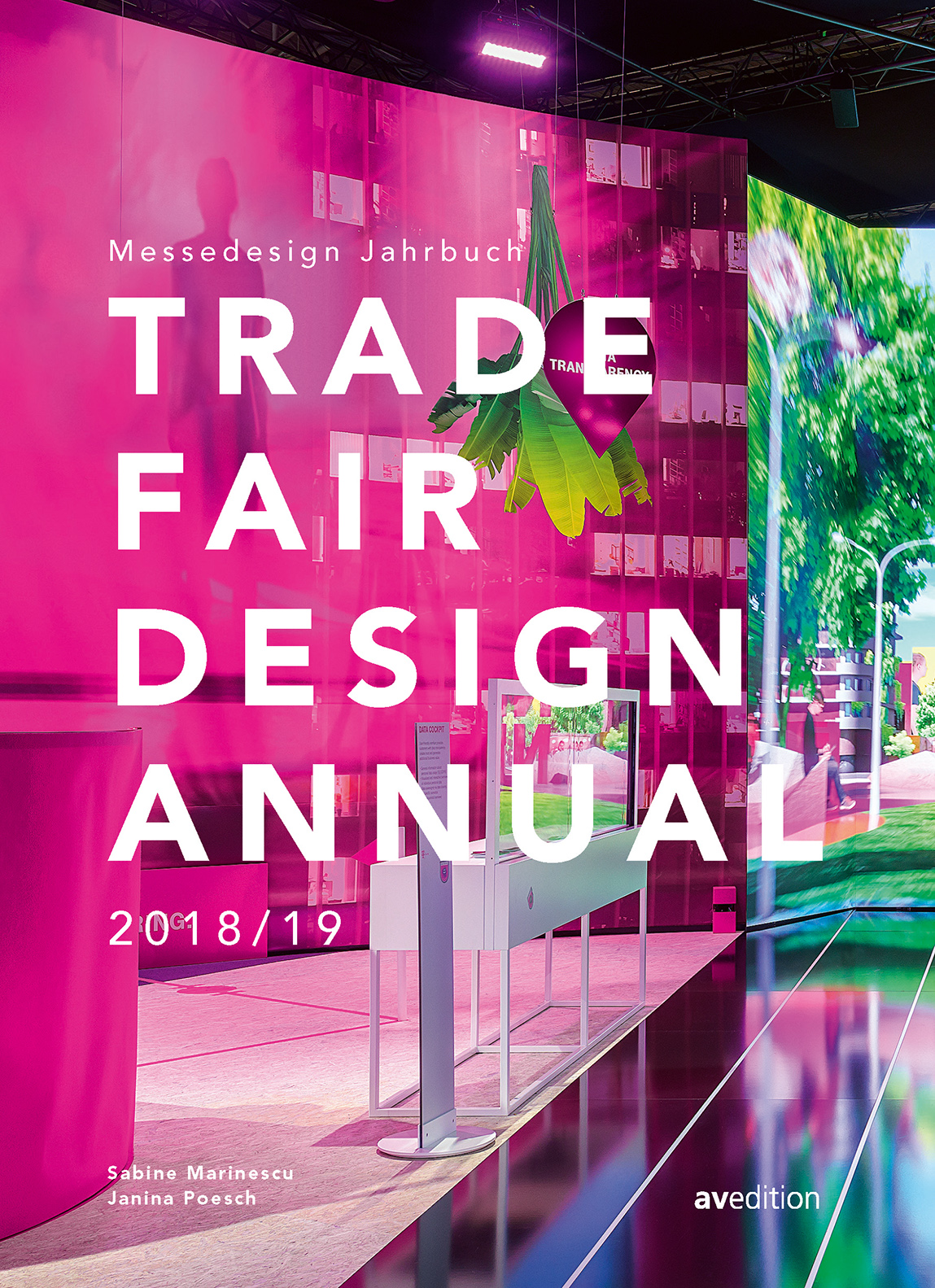
The standard reference work in the trade fair design world Change and transformation are currently characteristic not only of our society and our socio-cultural structures, but also of our economic structures and therefore the exhibition industry: traditional approaches to brand communication no longer appear to take full effect, although the core of the longstanding trade fair business perhaps holds the key to the future of the traditional platform: in real encounters and individual exchanges.In accordance with this, over the forthcoming years it will increasingly be about shaping this discussion, creating spaces for it, enabling especially personal contacts amidst a communication guided by bots, thereby shaping change. Of course, this edition of the Trade Fair Design Yearbook is not oblivious to this either: since October 2018, the publication has been issued in a new, even higher quality design, extending increasingly into digital as well as real space.Search inside on ISSUU.com
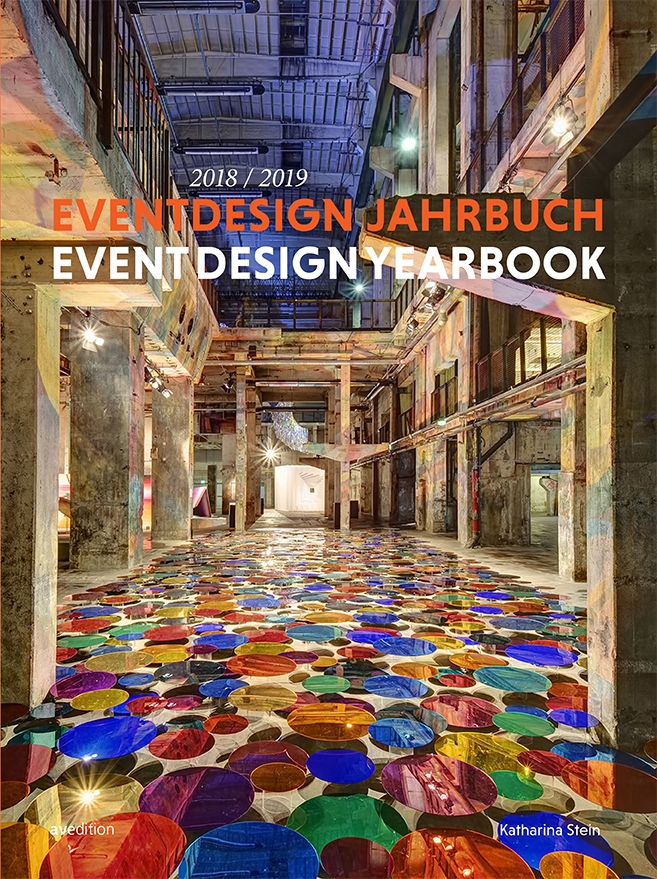
The best events, the latest trendsThe current edition of the Event Design Yearbook presents the best and most interesting events of the last year informatively, with a wealth of pictures.What is new, however, is the author: with the Yearbook 2018 / 2019, Katharina Stein – specialist journalist, scene insider and founder of eveosblog for event marketing – is looking for small and large, private and public, cultural and corporate, exceptional and fascinating events, which all distinguish themselves through the idea behind it and its realisation.Search inside on ISSUU.com
Theorie, Geschichte, Lehre Wie kaum eine andere kreative Praxis ist Design mit Alltag, Politik und Wirtschaft einer Gesellschaft verbunden. Technologischer Wandel, soziale Umwälzungen und globale Krisen fordern die gestalterische Profession zu Neubestimmungen heraus. „Designkritik“ reflektiert das Spannungsfeld einer erweiterten Designpraxis innerhalb einer komplexen Medienlandschaft. Vor dem Hintergrund ökonomischer und politischer Umbrüche werden neue Ansätze zur Designkritik diskutiert, andererseits historische Bezüge im Kontext von Design, Medien und Gesellschaft untersucht. Es stellt sich die Frage, in welchem Maße Designjournalismus und Designkritik diesen veränderten, erweiterten, manchmal auch widersprüchlichen Designbegriff reflektieren und vermitteln können. Die Beiträge des Bandes beleuchten das unübersichtliche Terrain aus verschiedenen Perspektiven. Zu den Herausgebern: Prof. Dr. Siegfried Gronert ist Vorsitzender der Gesellschaft für Designgeschichte (GfDg) und Honorarprofessor an Universitäten in China. Von 1993 bis 2011 lehrte er Geschichte und Theorie des Design an der Bauhaus-Universität Weimar. Dr. Thilo Schwer ist Produktgestalter und Designwissenschaftler. Seit 2011 lehrt er Designtheorie, Designmethodologie und Theorien der Produktsprache.
Im Zeitalter von Medienkonvergenz, interaktiver Kulturtechnik und digitalem Entwerfen ist die Gestaltung von Produkten, Formen und Funktionen nicht mehr ohne erzählerische Impulse, Konzepte und Strukturen denkbar. Dieser Band gibt eine überblicksartige Einführung in sowohl erzähltheoretische wie erzählpraktische Grundlagen. Er skizziert unterschiedliche Felder von Design und Gestaltung im Hinblick auf das damit zu realisierende Storytelling. Im Ergebnis sollen Designer nicht allein als Gestalter, sondern vor allem auch als Erzähler dargestellt und ausgebildet werden. Prof. Dr. Oliver Ruf ist Professor für Medien- und Gestaltungswissenschaft an der Fakultät Digitale Medien der Hochschule Furtwangen. Seine Lehr- und Forschungsgebiete umfassen Ästhetik, Anwendung und gestalterische Praxis erzählerischer Erscheinungen, insbesondere in (neuen) medialen Umgebungen.
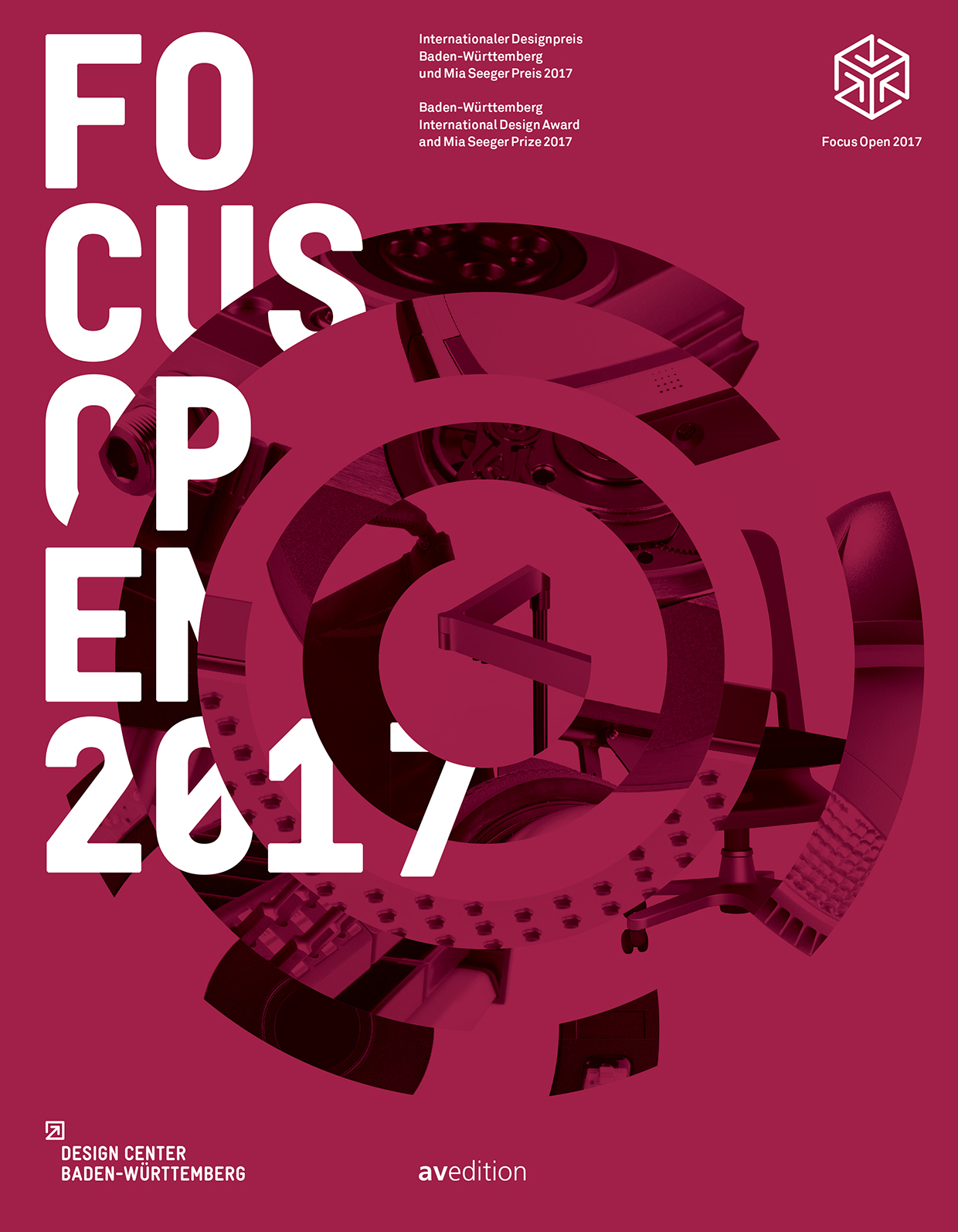
Pioneering and exceptional design trends are at the heart of FOCUS OPEN 2017. Companies and professional designers from around the world were invited to participate. The publication presents all the award-winning products that persuaded the jury with their exceptional design quality. Award-winners from the fields of e.g. production, medicine, bathrooms, kitchens, interiors, lifestyle, lighting, media, optics, sport, outdoor, public design, architecture and transport are presented and described. It also publishes the results of the “Mia Seeger Award”: the prize is awarded to up-and-coming designers who have developed products that “serve more than one purpose”.
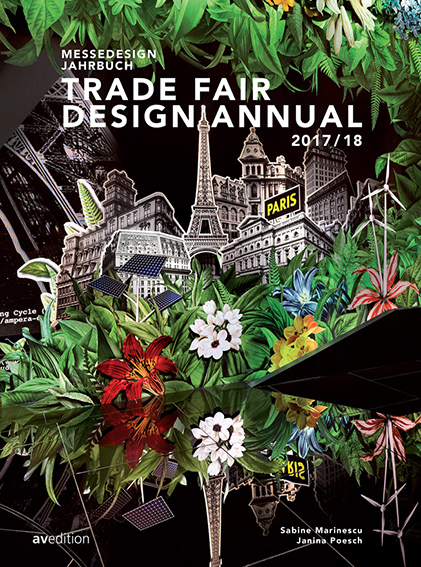
20 years' Trade Fair Design Annual! This anniversary edition breaks all the records: more trade fair stands, more pages, more trends. Including an interview on the future of the trade fair. Current brand communication is increasingly moving towards real-digital narratives. The storytelling trend plays a major role in this, as well as the type of communication, in times of complete digitisation. Particularly at trade fairs, personal discussion is still the key aspect of every presentation. With this edition of the Trade Fair Design Annual, the authors present a series of successful examples of transmedia storytelling, attaching particular importance to the accomplished use of means of communication. What is decisive, however, is the exceptional design of the overall presentation, which can add communicative and therefore informative value for the exhibitor, as well as provide an emotional experience for the visitors.
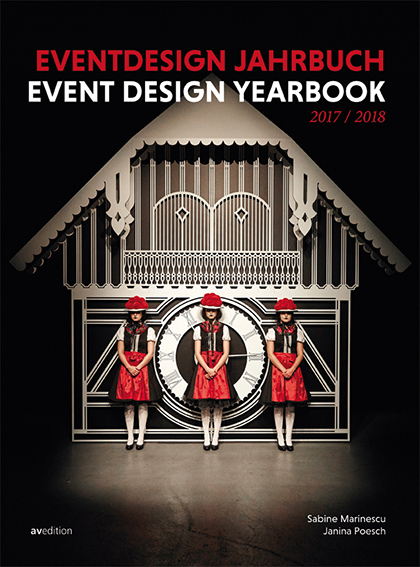
We are living in a networked age and can no longer deny digitisation. Although the events sector is currently characterised primarily by live experiences, events are becoming increasingly hybrid: new forms of spatial communication are emerging, which blur the boundaries between real and virtual experience. With this yearbook, the authors present, informatively and with a wealth of images, more than 50 successful examples where both digital innovation and personal encounters are the focus of the concept. Through numerous interviews with specialists in the sector, they venture a look into the future, in order to ask quite exclusively: "What is actually 'the next big thing'?"
Dieser Band ist eine praktische Hilfe bei vielen typischen Problemstellungen, die während des Übergangs in die Arbeitswelt entstehen. Schon vor dem Ende der Studienzeit müssen sich die meisten Gestalter mit Fragen zum Minijob oder ihrer Beschäftigung als Werkstudent auseinandersetzen. Sozialversicherungsrecht, Arbeitsrecht und Einkommensteuer spielen dabei eine wichtige Rolle. Wer dann als Freelancer arbeitet, muss beurteilen können, ob er wirklich unternehmerisches Risiko trägt oder doch scheinselbstständig ist. Und wofür taugt eigentlich ein Businessplan? Mit vielen Beispielen, Mustertexten und Checklisten schafft die „Existenzgründung“ auch zu komplexen Themen einen verständlichen Zugang: verschiedene Rechtsformen für das kleine Startup oder die erste Beteiligung; rechtliche Fragen zur Finanzierung, zur Unternehmensbesteuerung, zur Gewinn- und Verlustrechnung und zu Bilanzierung. David Herzog ist Fachanwalt für Steuerrecht sowie Handels- und Gesellschaftsrecht und seit 2013 Lehrbeauftragter für Recht an der Hochschule Mannheim, Fakultät Gestaltung.Leseprobe auf ISSUU.com
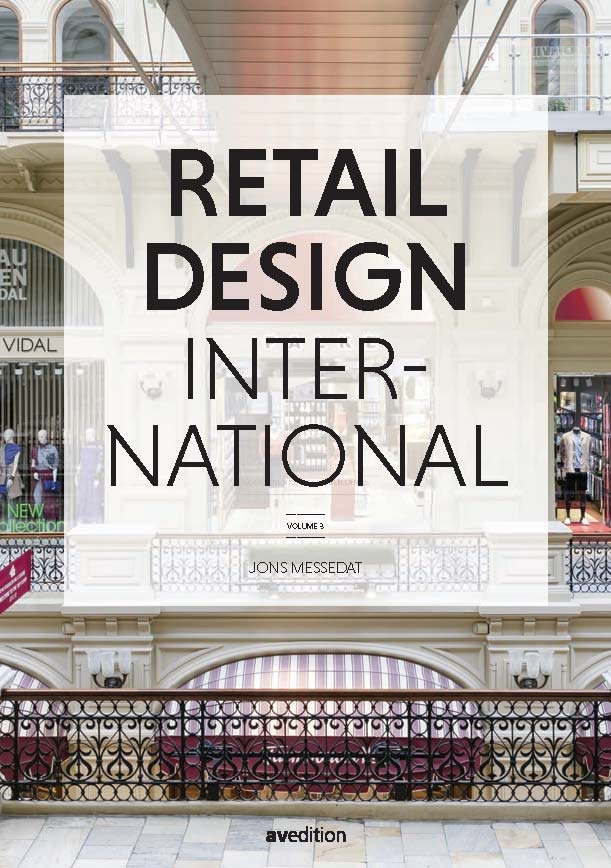
The increasing trend towards digitisation seems to be spurring on bricks-and-mortar retailers. Hybrid spaces communicate with the customers as a matter of course on all levels: online, offline and on-site. Beyond conventional retail formats, this has spawned surprising concepts which combine aspects from different areas of life with each other. Clever hospitality offerings, curated showrooms as well as flexible co-working and event spaces complement established retail locations. At the same time, many malls and shopping centres have seen better days and have been completely refurbished.The new standard work about the sector presents the most recent developments in worldwide retail design with articles from experts working in interdisciplinary teams and innovative reference projects.Editor Dr. Jons Messedat is architect, designer and author. His expertise in the field of built Corporate Identity is in demand from global operations, as panel member in architecture and design competitions as well as at universities in Germany, Switzerland and the USA.Search inside on ISSUU.com
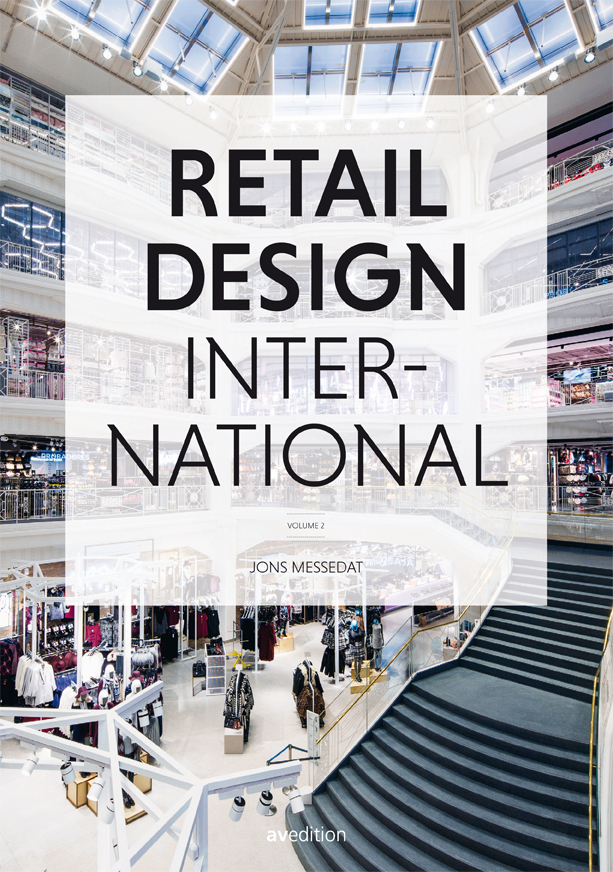
Present-day retail worlds must keep up with digitisation through online retailing, augmented or virtual reality. However, human components and analog-real spaces have never quite lost their appeal. This new standard work about the retail sector shows what new retail formats and new forms of spatial expression can be created to appeal to all the senses. It provides a current overview of innovations in multi-channel and omni-channel commerce, from pioneering in-store technology to new products. Around 50 current best-practice examples, from temporary pop-up stores to avant-garde brand worlds and hybrid retail centers offer an inspiring cross section from around the world. Dr. Jons Messedat is an architect, designer and author. His expertise regarding architectural corporate identity is in demand at companies, conferences and universities in Germany. Switzerland and the USA.
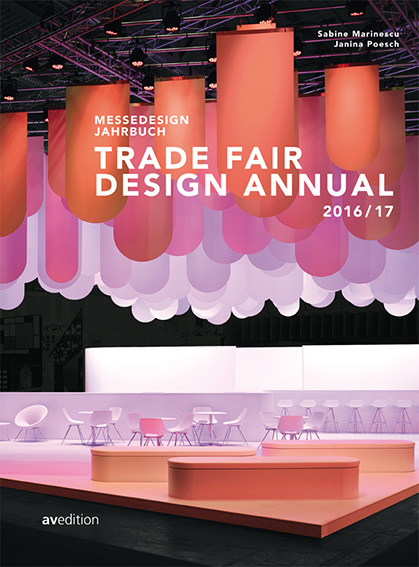
The reference work in the trade fair design world The fully connected "Industry 4.0" has also found its way into the corporate presentations at trade fairs: real worlds are digitally extended by augmented reality or merged with virtual spaces to create new, all-engulfing brand experiences. And yet trade fairs remain places where personal contacts are made, networks enlarged and innovations brought to market – in some cases without any digital add-ons ...This standard work once again documuents the best trade fair stands of recent years and uses powerful visuals and informative texts to identify future trends.
In zehn übersichtlichen Kapiteln bietet der Band eine Einführung in und einen Überblick über Philosophie und ihre Geschichte. Ausgehend von den wichtigsten Meisterdenkern der Philosophietradition werden die konkurrierenden Stile, Schulen oder Programme verschiedenster Epochen gezeigt und in Bezug zu Gestaltung gesetzt:Kynismus (DIY-Design), Hedonismus (Luxus-Design), Skeptizismus (Anti-Design), Transzendentalphilosophie (Übergang von Handwerk zu Industrie), logischer Positivismus vs. Fundamentalontologie (Bauhaus), existenzieller Rationalismus vs. kritische Theorie (HfG Ulm), Poststrukturalismus (postmodernes Design) u.v.mFlorian Arnold studierte Philosophie und Germanistik in Heidelberg und Paris. Nach einer philosophischen Promotion an der Ruprecht-Karls-Universität Heidelberg absolviert er derzeit eine zweite Promotion im Fachbereich Design der Hochschule für Gestaltung Offenbach. Er leitet die Redaktion der Philosophischen Rundschau.
Der erste Teil des Bandes stellt die Historie einzelner Medien wie Schrift, Buch, Fotografie, Film, Fernsehen oder Internet vor und fragt, was sie leisten. Der zweite Teil erläutert die wichtigsten Definitionen, Ansätze und Bausteine der Medientheorie und vermittelt verständlich, welche relevanten Bestimmungen des Begriffs »Medium« Gestalterinnen und Gestalter kennen sollten. Abgerundet wird der Band durch eine »kleine Typologie der Medientheorie«.Prof. Dr. Gerhard Schweppenhäuser ist Professor für Design-, Kommunikations- und Medientheorie an der Fakultät Gestaltung der Hochschule für angewandte Wissenschaften in Würzburg. Er lehrte Ästhetik und Philosophie an zahlreichen Hochschulen im In- und Ausland.
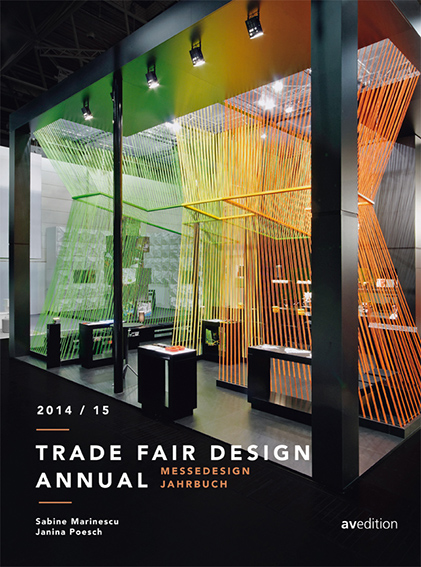
The reference work in the trade fair design world To this day, trade fairs are considered to be settings for important inventions and many a time bold predictions for the future were made on the basis of innovations. "The future needs the past" – the previous Trade Fair Design Annual's motto is also incorporated in the 15th edition of the successful reference work.As usual, the jubilee edition 2014/15 documents the best trade fair stands of the past year and presents current trends and tendencies for the future by means of large illustrations and descriptive texts. The book is rounded off by interviews with experienced trade fair experts.
The reference work in the trade fair design world For quite some time now, the architecture of the stand alone no longer decides about the success of a brand presentation at trade fairs. More subtle elements such as light, materials, audiovisual media or even a skilful perspective and perfect infrastructure are what now trigger a wow effect from visitors and customers. And this is demonstrated by the most recent edition of the Trade Fair Design Annual: once again, the editors Sabine Marinescu and Janina Poesch have compiled and analysed more than 50 presentations of international top brands. Large illustrations, detailed plans and interviews with designers explain the standards for trade fair design of the future.

The authors again have selected more than 50 trade fair stands from German speaking countries for this annual. Prime criteria for inclusion are the overall idea and the quality of the design, but of course also a functioning infrastructure, the presentation of the exhibits or services as well as materials, lighting, colour concept, graphics and the realisation of the brand philosophy.Exceptional trade fair design for adidas, Création Baumann, Gaggenau, Kaldewei, Vodafone, Vorwerk, etc.Karin Schulte, interior designer, works at the Weißenhof-Institut of the Arts Academy in Stuttgart. Tobias Glaser works as a freelance interior designer. Furthermore, he teaches, curates and consults in the field of design.
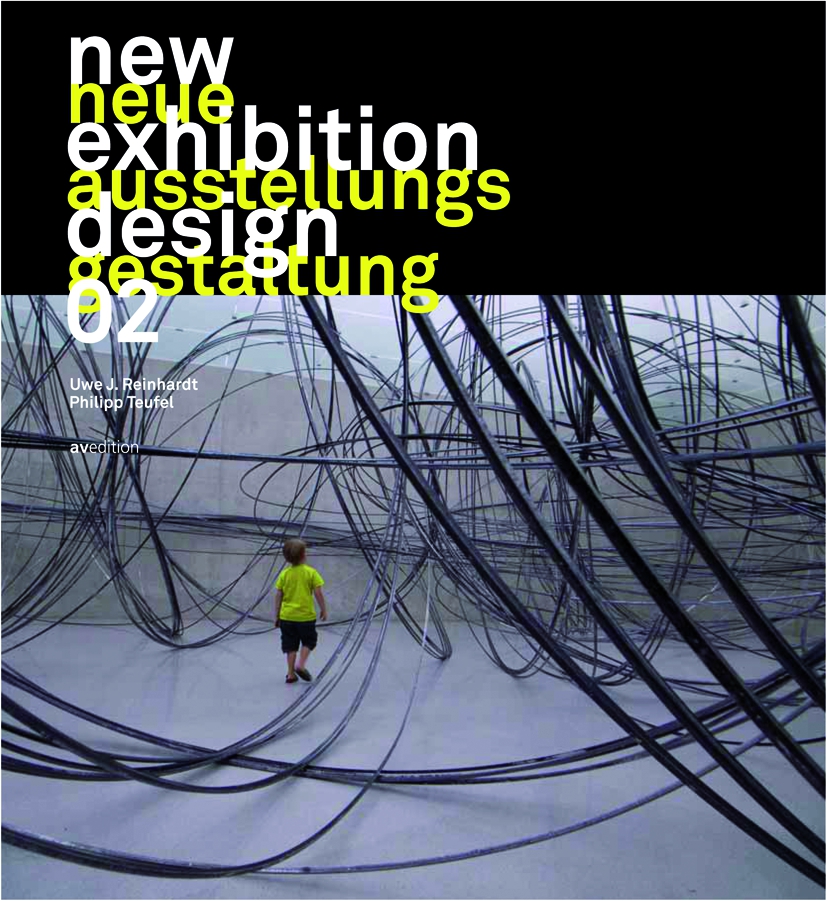
• New volume in the successful series “New Exhibition Design” • More than 100 outstanding exhibitions worldwide • Project descriptions, photos, plans and data • Gives an outlook on the “Museum 3.0” The book offers an up-to-date and comprehensive insight into state-of-the-art design and planning of exhibitions by presenting more than 100 project examples of renowned international designers from Germany to Korea, from Japan to the USA and Canada, from Norway to Italy. The many photos, plans and project data provide in-depth information about these projects, all of them extraordinary in terms of design and content and on the cutting edge of technological and social innovation. The selected projects are grouped in the following areas: exhibition (temporary), museum (permanent exhibitions), Expo, brand museums and centres, showrooms and shops, experiments, art and public space. The book also presents particularly innovative student projects. Philipp Teufel and Uwe J. Reinhardt are professors of Communication Design and of Text/Verbal Communication at the University of Applied Sciences Düsseldorf, with the main focus on museums and exhibitions.