
All books

Now also available as a bundle: Event Design Yearbooks 2019/20, 2020/21, 2021/22. Three standard works of the event scene. A piece of contemporary history, as this bundle also documents the beginning of the coronavirus pandemic and shows how creatively the industry responded to the new situation.

Now also available as a bundle: Trade fair design yearbooks 2019/20, 2020/21, 2021/22. Three standard works of the trade fair scene. A piece of contemporary history, as this bundle also documents the beginning of the coronavirus pandemic and shows how creatively the industry responded to the new situation.

architekturbild, the European Architectural Photography Prize, has been awarded on a two-yearly basis since 1995. Since 2003, the prize has been awarded by architekturbild e.V., a non-profit organisation and since 2008 in cooperation with the Deutsches Architekturmuseum, Frankfurt, and since 2016 with the Bundesstiftung Baukultur, Potsdam/Berlin. The theme for 2019 is "Joyful Architecture". We rarely think of architecture as comforting, fun and playful. The book therefore presents examples of architecture that playfully and positively impact the built environment and its inhabitants. These examples can be understated or clichéd, autonomous or in dialogue with their surroundings, hidden or obvious. High quality catalogue on the international trevelling exhibition, starting in the German Architecture Museum (DAM) on May 3rd 2019.Search inside on ISSUU.com
We already have the ability to create buildings that are both sustainable and breathtakingly beautiful today – if only we can summon the will do to so. Designed by Werner Sobek with Dirk E. Hebel and Felix Heisel, the "Urban Mining & Recycling" Experimental Unit (UMAR) uses the example of serially manufactured housing to demonstrate the first fully comprehensive application of recyclable materials. All of the elements required to construct the Unit had to be 100% reusable, recyclable or compostable. In order to achieve this goal, every single detail, every product and every structure involved in the project was scrutinised with a critical eye. Prof. Werner Sobek is the founder of an international group of engineering and design consultancies, offering premium consultancy services for architecture, structures, façades and sustainability. By means of award-winning experimental buildings such as R128, H16, F87, B10 and (most recently) UMAR he studies how new materials, structures and technologies can bring about a radical change of our built environment. Leading the way for the use of recyclates in serial houses Construction. Plea for sustainable and at the same time breathtakingly beautiful building.Werner Sobek on YouTubeSearch inside on ISSUU.com

On the occasion of their 10th anniversary, n-lab architects, a young and dynamic architecture firm from Luxemburg, give an insight into their work for the first time. Under the direction of Frédéric Nosbusch the team of around ten people mainly works on buildings in the residential and commercial sectors. MAR is their most recent and equally senior project: a one family house in Luxemburg city with an unusual aluminium facade.The first sketches were made before the firm was founded, the last details followed in 2014. It shows the characteristic style and the development of the architecture firm in the last ten years in an exemplary manner.
One House. Energy for many.The Active House B10 is situated in the heart of the famous Weissenhof estate in Stuttgart. It is a research project exploring how innovative materials, constructions and technologies can sustainably improve our built environment. Owing to an ingenious energy concept and self-learning home automation, the building produces twice its energy requirement. The surplus thus gained powers two electric cars and an adjacent building designed by the architect Le Corbusier (since 2006 home to the Weissenhof museum).Prof. Werner Sobek is the founder of a globally active association of planning agencies for architecture, support structure planning, façade planning, sustainability consulting and design. Based on award-winning experimental buildings such as R128, H16, F87 and B10 he analyses how new materials, structures and technologies can radically change our built environment.
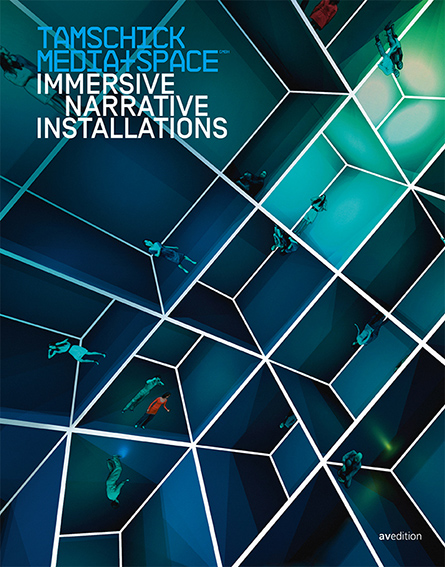
The art of creating multimedia spacesTwo decades of experimental multimedia scenography: illustrated by 30 international award-winning projects, the successful Berlin-based studio Tamschick Media+Space provides an insight into the art of converting contents and objects into a three-dimensional, accessible, holistic experience of space by means of multimedia projections and of creating a lasting dramaturgical experience.Elaborate development processes are presented by means of comprehensive series of images and drafts: e.g. for Treasure Mainshow (Expo Shanghai), The Ting (Oslo), Time Machine (Wuxi), Kingdom of the Shadows (Trier) and Experience Frontiers (Biel). Well-known international authors from the fields of scenography, architecture, museum and brands share their experience in guest contributions.
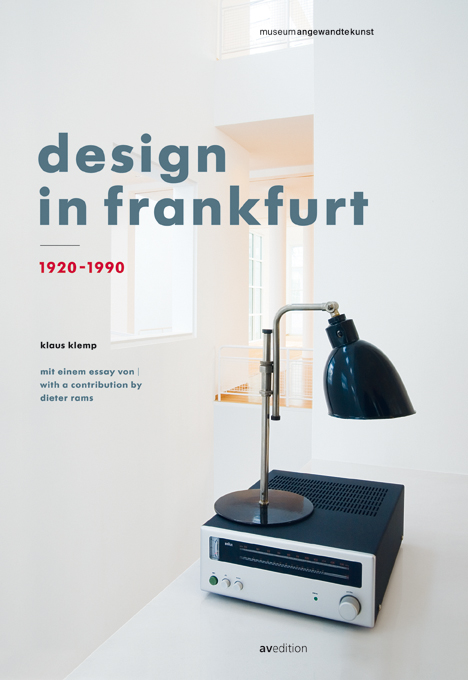
Modern Design in Frankfurt/Main – the other "Bauhaus""Less, but better": The motto of the Frankfurt designer Dieter Rams is still topical today – and very much so. In the face of rapid globalization and an increasing number of premium product consumers, the question on the resources and the longevity of products inevitably arises.The book outlines the prevalent design trends in Frankfurt and in the Rhine-Main-area from the 1920s to the 1980s. For furniture, interior and graphic design made in and around Frankfurt over seven decades, functionality, visuaö strength, austerity, aestethics in clear shapes and the visionary element always plays a major role. This first compact illustration of regional design also raises the question, to what extent German design in the 20th century defined itself through decentralized but intensively interlinked places and institutions.Catalogue of the exhibition in the Museum Angewandte Kunst Frankfurt.Search inside on ISSUU.com

Retail Architecture of the 21st centuryTrade is subject to rapid change at the Point of Sale: the massive growth rates of virtual trading platforms are changing buying patterns in an epochal manner. This is why in recent years significant sums were invested in sophisticated architecture for supermarkets and shopping centres. A trend going towards more urbanity and quality for cities and landscapes is becoming apparent. The book provides an expert overview of current developments in different dimensions of international retail architecture – from innovative supermarkets to new concepts in the trading sector from an urbanistic point of view. Expert contributions and interviews provide background knowledge about conception, planning, execution and operation. This book is a practical guide with excellent examples for investors, municipalities and project developers as well as architects, interior designers or suppliers in the store planning sector.Search inside on ISSUU.com
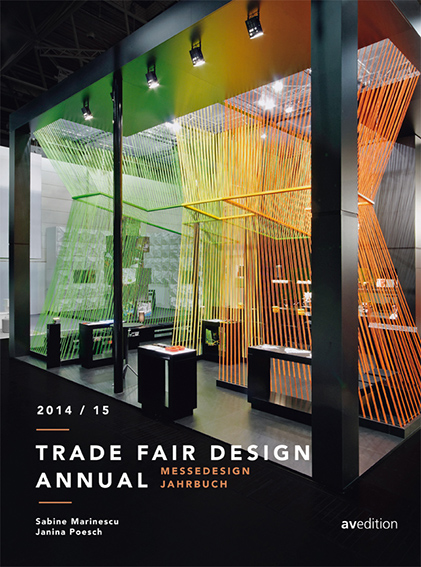
The reference work in the trade fair design world To this day, trade fairs are considered to be settings for important inventions and many a time bold predictions for the future were made on the basis of innovations. "The future needs the past" – the previous Trade Fair Design Annual's motto is also incorporated in the 15th edition of the successful reference work.As usual, the jubilee edition 2014/15 documents the best trade fair stands of the past year and presents current trends and tendencies for the future by means of large illustrations and descriptive texts. The book is rounded off by interviews with experienced trade fair experts.

Outdoor living is "in". More and more people see gardens, patios or balconies as attractive, additional living space. As a result, demand for high quality, attractive and functional outdoor design is on the rise. Appealing, weatherproof garden furniture and decorative, functional accessories and materials are becoming increasingly popular.The present book shows individually designed open spaces from all over the world – spaces whose use of plants, unusual seating arrangements, exotic materials and the play of light and shade turn living outdoors into an unforgettable experience.

Berlin is a city which also sets standards in the field of architecture. In recent years, impressive lofts, shops, showrooms, clubs, restaurants and museums have sprung up amidst the city's historical buildings. The fascinating mixture of old and new has a different face in every "Kiez" (district) and works its magic on visitors and locals alike."40 Rooms Berlin“ shows a cross-section of these architectural and interior design gems. Divided into three chapters Intimate – Active – Urban it presents private, commercial and public spaces that were designed by 20 designers and architects.The impulse for this book came from the location agency Platzverweis based in Stuttgart and Berlin. Over a period of many months, the architects Julia Stoffregen and Kirsten Alda sought out the most attractive spaces in Berlin. Renowned photographers from Berlin captured them with the camera.

For a long time, a stay in a well-designed hotel was a costly business. Architectural treats tended to be restricted to the luxury category. In recent years, however, some of these hotels have adjusted to meet the needs of a younger generation of travelers. The rooms are no longer ridiculously expensive, but still by no means cheap.The book "best designed affordable hotels" has been published in response to the frequent request for an overview of reasonably priced design hotels. Illustrated with brilliant colour photos, the team of authors has put together the first global collection of first-class hotel architecture and fantastic residences with affordable room rates.
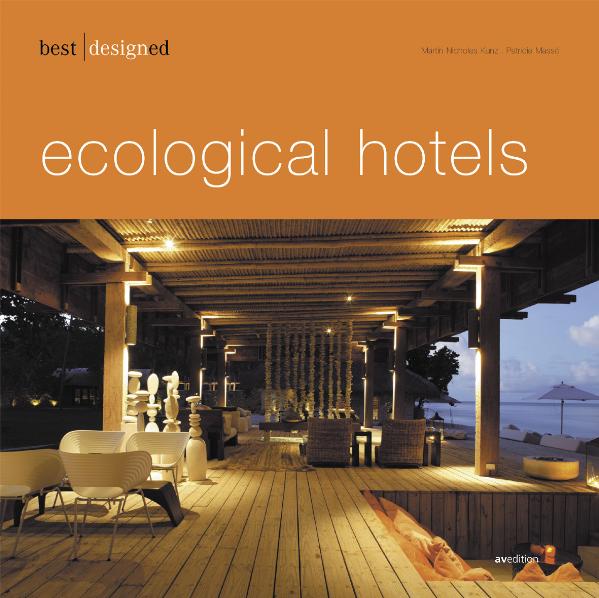
Hi-tech, environmental compatibility and good design are no longer a contradiction in terms. In fact, they can complement one another splendidly. Business with nature and the number of "Eco lodges" on offer is huge. Often this type of accommodation is lacking in style. And yet, particularly travel in harmony with nature should be something that appeals to all our senses.The book "best designed ecological hotels" shows how elegance, architecture and nature can be perfectly combined. It presents outstanding hotel architecture from its best side in the world’s most fascinating locations. From a luxury complex on an isolated island to a clay resort in the desert to a bush lodge with eye contact with wild animals.
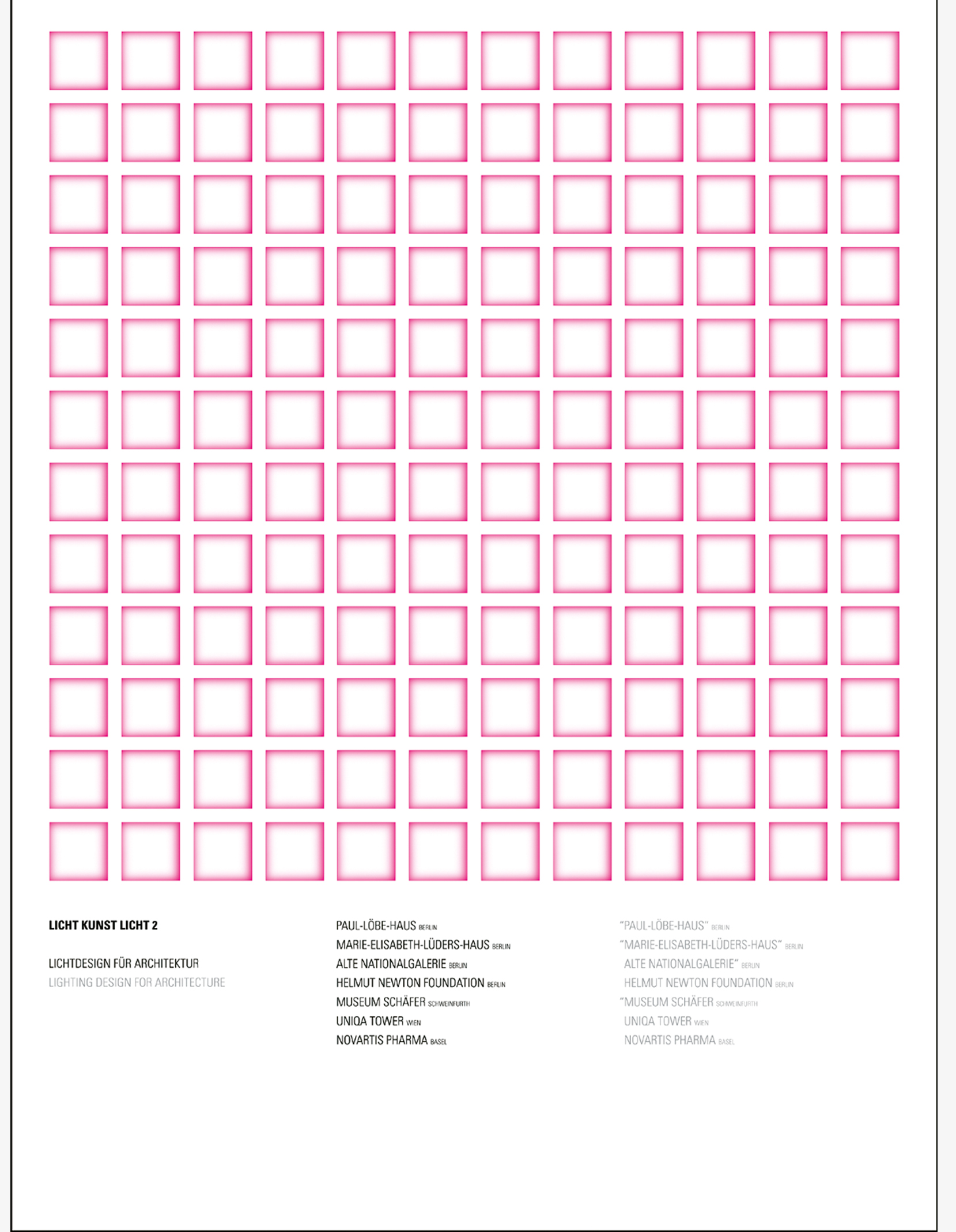
Filling architecture with light, staging buildings, generating spatial atmosphere: with undogmatic and flexible solutions the lighting design office Licht Kunst Licht in Berlin, founded by Andreas Schulz in 1992, develops lighting scenographies for museums, administrative and public buildings and private residences.This monograph presents recent major projects like the Marie-Elisabeth-Lüders-Haus in Berlin, the Uniqa Tower in Vienna or Novartis Pharma in Basle. Despite the large variety of design tasks the interdisciplinary team of lighting designers, architects, designers and electrical engineers remain consistent in their concept and approach: the complex interaction of lighting effects, rather than the formal celebration of a luminaire object, is at the centre of all planning considerations.
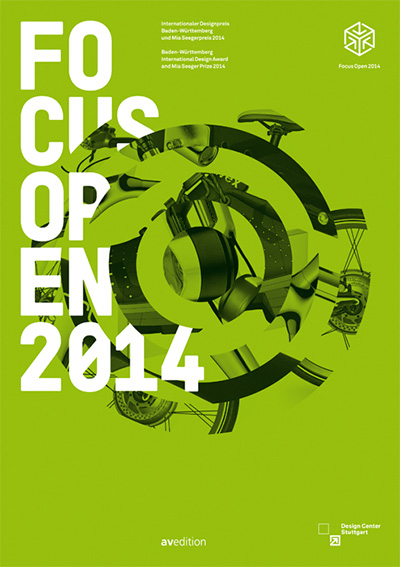
Product innovations and design trendsThe renowned competition looks back on a 20-year-old tradition and has firmly established itself in the German competetion landscape. The publication presents all award-winning products from all design disciplines, e.g. the following categories: manufacturing, medicine, bathroom, kitchen, living, ambience, lifestyle, lighting, communication, optics, sports, outdoor, public design, architecture, transport and circulation. The Design Center Stuttgart brings design topics to public attention and shows the possibilities of a consistent use of professional design for product development and corporate identity.

First compendium about this design disciplinePresenting more than 40 international projects by Ralph Appelbaum, Atelier Brückner, Casson Mann, Frank Gehry, Zaha Hadid, HG Merz Architekten, Imagination, MET Studio, Jean Nouvel and many moreThese days, exhibitions have to compete in an increasingly sophisticated leisure market. Previously aloof cultural institutions are making use of technologies and techniques more commonly associated with film and retailing. Exhibition-making is now synonymous with image-making, communication and the creation of a powerful experience."Exhibition Design" features examples of a wide variety of exhibitions from around the world, from major trade and commerce fairs, to well-known fine art institutions, to small-scale artist-designed displays. The introduction gives a historical perspective, with a particular focus on the developments of the twentieth century.The first part of the book presents conceptual themes of narrative space, performative space and simulated experience. "Techniques" covers the practical concerns of display, lighting, colour, sound and graphics.